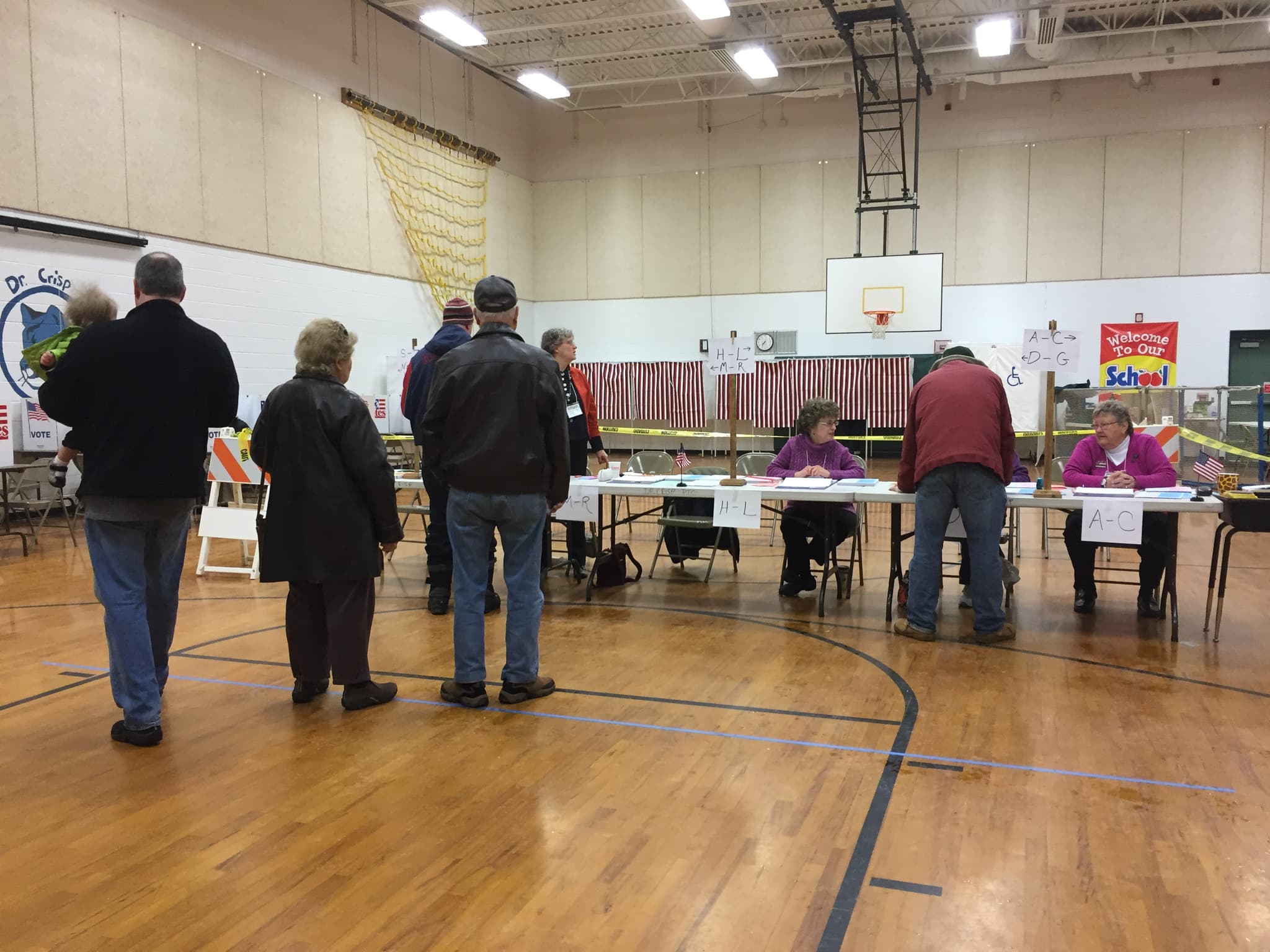
Politics
DOJ gives California counties 48 hours in escalating ballot dispute
Federal letters demand citizenship checks and segregation of disputed ballots; California officials question the data and the demands.
What to know
- Federal prosecutors want county officials to identify people on supplied lists and separate ballots when citizenship cannot be confirmed.
- The 48-hour deadline is a federal demand to counties, not itself a judicial ruling on voter eligibility.
- California officials dispute the reliability of the underlying data and warn that eligible citizens could be affected.
- The earlier 28 criminal cases concern particular defendants; they do not establish the status of the much larger list.
- Eligible voters should follow official state and county instructions and check their own ballot status rather than assume the dispute cancels their vote.
The Justice Department has expanded its dispute with California election officials by sending county registrars letters demanding cooperation within 48 hours on identifying suspected noncitizens and setting aside their ballots. The new county-level demands, reported Friday and Saturday, bring an unresolved federal lawsuit directly to the officials handling mail ballots before the November 3 election.
This is a new development beyond the individual criminal charges announced earlier in the week. A prosecutor's allegation, a list of suspected ineligible registrants and a court's decision about counting ballots are different things. The letters do not establish that everyone named is a noncitizen or that a judge has ordered their votes excluded.
What the letters ask counties to do
The Associated Press, whose report was published by LAist, obtained a letter to San Bernardino County and reported that prosecutors sought identifying records for people the federal government suspects registered improperly. The requested material includes registration information and identification details. The stated purpose is to determine which people on the lists are citizens and which are not.
Separate reporting by the Los Angeles Times described a letter to Contra Costa County requesting cooperation with Justice Department and Homeland Security officials. That letter sought nonpublic records, including available Social Security numbers, identification information and supporting registration documents. Federal prosecutors also warned officials about potential criminal liability for knowingly processing noncitizen votes.
The Times reported that a spokesman for the U.S. attorney's office in Los Angeles said 57 counties received the new letters, with Los Angeles excluded because it had already received a notice. AP separately reported that the Los Angeles registrar knew of at least 18 counties receiving similar correspondence. Those are differently sourced measures of reach, not two independently verified final totals.
The distinction matters because the immediate practical question is which county received which list and what it was asked to supply. A statewide headline does not tell an individual voter whether their name appears, whether a ballot has been returned or whether any official has made a verified eligibility determination.
The federal argument and the state response
The Justice Department says it is trying to prevent unlawful voting in federal elections. Its October 15 announcement of the California lawsuit alleged that more than 20,000 likely noncitizens appeared on the state's registration rolls. Its complaint seeks judicial intervention; its allegations remain allegations rather than a completed adjudication of every listed person's status.
Only U.S. citizens may vote in federal elections. That restriction does not resolve the factual question raised by a particular database match. Identifying the right person, confirming the relevant citizenship information and determining eligibility at the time of registration or voting are necessary parts of evaluating an individual case.
California's secretary of state and Los Angeles County have opposed the federal demands. AP reported that their lawyers warned about delayed certification and disenfranchisement. The Times reported that Los Angeles officials' preliminary review of part of the federal list found names associated with people born in the United States, people not registered and people who had never voted.
Those are the county's findings as described in reporting, not a NewsCubby audit of the underlying records. They explain why officials contest treating a suspected match as a final conclusion. They also leave room for investigating a genuinely ineligible registrant without assuming that the whole disputed list has been proved accurate or inaccurate.
A demand letter is not a counting order
CNN, reporting through its affiliate KVIA, described the new letters as an escalation after an October 13 demand to the state and Los Angeles County. The earlier correspondence included a protected file containing names the administration believed were likely noncitizens. Federal officials subsequently sued when the state and county did not comply as requested.
The letters' warnings do not by themselves establish the elements of a criminal offense. First Assistant U.S. Attorney Bill Essayli has emphasized potential liability for officials who knowingly process a noncitizen's ballot. Whether any particular official acted unlawfully would require evidence and the applicable legal process. Receiving a contested list is not a conviction of the voter or the registrar.
The difference between separating a ballot and cancelling a registration is also important. According to the reporting, the federal demand is to hold disputed ballots apart while citizenship is checked. Even temporary segregation can matter if it delays tabulation or creates uncertainty, but it should not be described as an already completed permanent removal of everyone named.
Court proceedings could affect what officials must do. The reporting reviewed for this article describes the administration seeking appellate intervention while a district-court hearing was scheduled for the following week. A request for urgent relief is not proof that relief was granted. Readers should look for an actual filed ruling and its precise scope before interpreting a new headline as a statewide change in voting rules.
Why the 28 criminal cases are a separate question
On October 19, the Justice Department announced charges against 28 people in California involving alleged illegal voting, registration or related false statements. Its own announcement describes separate defendants and allegations. Charges are not convictions, and the cases do not all describe identical conduct or the same election.
The administration says those defendants were drawn from the larger list it supplied California officials. That connection is relevant to its argument for scrutiny. It does not turn the remaining names into proven offenses or establish that every person on a registration list received, returned or had a ballot counted.
Keeping the units straight prevents a misleading account. People named in a database, registered voters, ballots mailed, ballots returned, votes counted, criminal defendants and convictions are not interchangeable totals. Neither the seriousness of a substantiated illegal vote nor the rights of an eligible citizen are served by blending them into one number.
What voters can check now
California's official election calendar says personally delivered ballots must reach an authorized destination by the close of polls November 3. Mailed ballots must be postmarked by Election Day and received by county elections officials no later than November 10. Those are voter deadlines; the prosecutors' 48-hour correspondence creates a different dispute about government records and ballot handling.
The secretary of state's voter guidance directs residents to official county resources and ballot tracking. Someone worried about their registration or returned ballot should check through those channels. A social-media claim that a whole county has stopped counting is not a substitute for the county's actual notice or a court order.
California also provides provisional voting for situations in which eligibility needs to be checked. Its official guidance says a provisional ballot is counted after officials confirm the person is registered in the county and has not already voted. That is an established verification process, not a promise that every disputed ballot automatically counts or an instruction to cast another ballot.
Voters should not send Social Security numbers, identity documents or ballot photographs to an unsolicited sender claiming to be responding to the federal dispute. Use the contact information published by the election office itself when asking about a notice. This is especially important when the news concerns requests for sensitive records.
What would resolve the immediate uncertainty
The next useful developments are the counties' documented responses, verified corrections to the lists and any court ruling specifying how disputed ballots must be treated. A final accounting would distinguish eligible citizens identified, ineligible registrants confirmed, ballots actually affected and cases still unresolved. Until then, the central story is an escalating conflict over evidence and election administration, not a demonstrated statewide finding of illegal votes.
Sources, credits & editorial notes
- AP reporting via LAist: October 24 county letters
- Los Angeles Times via AOL: county demands and official responses
- CNN via KVIA: county letters and disputed data
- Justice Department: October 15 civil lawsuit announcement
- Justice Department: October 19 charges and presumption of innocence
- California Secretary of State: election dates and resources
- California Secretary of State: provisional voting
- California Secretary of State: Voter Bill of Rights
- Archive photo: Daniel Torok / White House; Public domain