Sports
WNBA Finals reach first Game 7 after Atlanta forces a championship decider
The Dream’s 80–69 win sends the series back to Chase Center on Saturday. Both franchises seek a first title; the contrast between Games 5 and 6 shows what could matter.
What to know
- Atlanta's 80–69 Game 6 victory tied the best-of-seven Finals at three wins apiece.
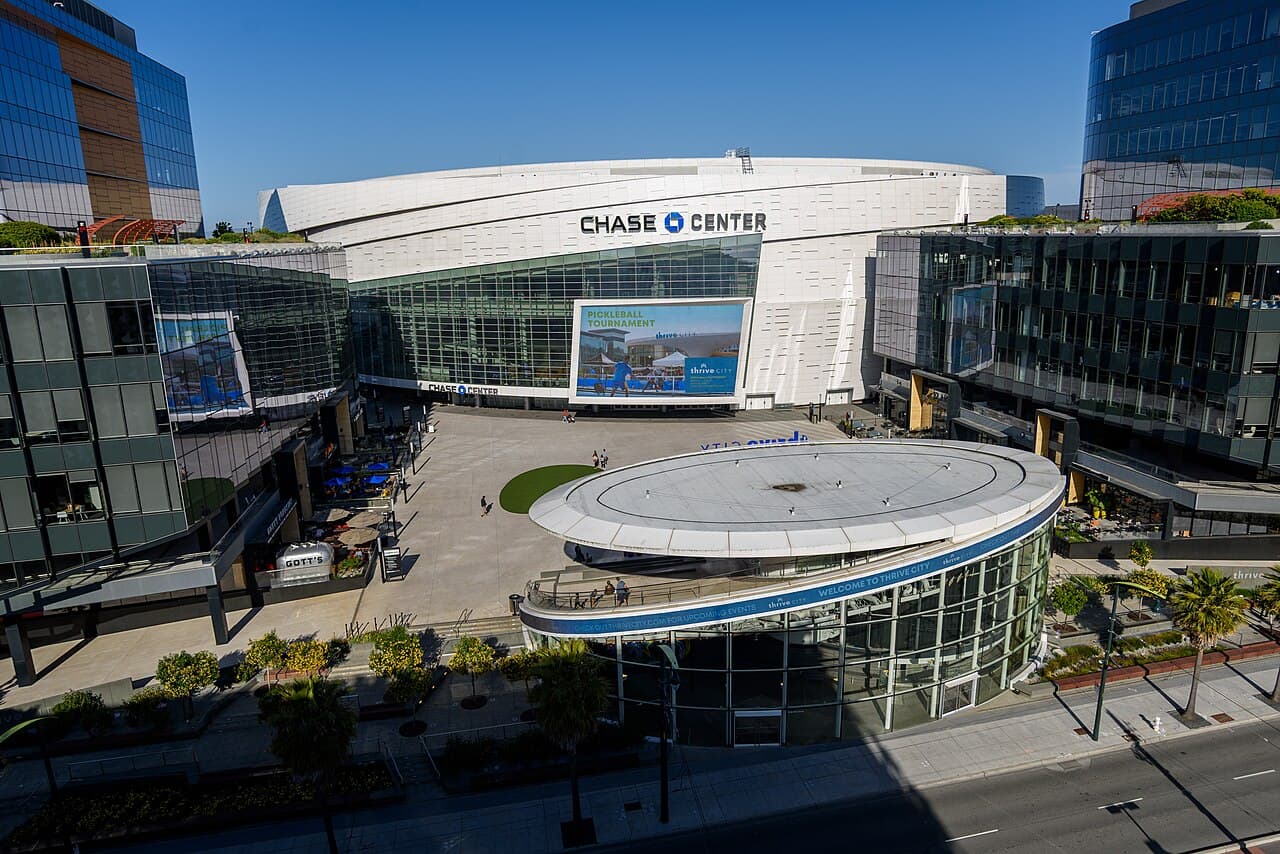
- Saturday's Game 7 at Chase Center starts at 8 p.m. Eastern / 5 p.m. Pacific; both franchises seek their first championship.
- Allisha Gray scored 23 points and Rhyne Howard 21 for Atlanta; Gabby Williams led Golden State with 26.
- This is the first Game 7, rather than the first deciding game, in WNBA Finals history. The league adopted a best-of-seven championship series in 2025.
The WNBA championship will come down to a seventh game for the first time. Atlanta beat Golden State 80–69 on Thursday, October 29, extending the Finals and sending both teams to San Francisco for a Saturday decider. Neither franchise has won the title. After six games, each is one victory away from doing so.
Game 7 is scheduled for October 31 at Chase Center at 8 p.m. Eastern, or 5 p.m. Pacific, on USA Network, CNBC and Peacock, according to the league's current Finals coverage. The change in the series is substantial: Golden State's opportunity to finish the job in Atlanta has become a championship game at home, while the Dream have earned a chance to win it on the road.
How Atlanta changed the series
The Dream did not survive Thursday by waiting for one final possession. Their early shooting gave them room to withstand Golden State's eventual comeback. The WNBA's Game 6 live record documents a 13–0 Atlanta run and a 46–26 halftime lead. That sequence forced the Valkyries to spend the second half recovering ground instead of protecting a chance to clinch.
Gray and Howard supplied the most visible perimeter threat. The league's final recap credits Gray with five made three-pointers and Howard with four. Their 44 combined points accounted for more than half of Atlanta's total. That matters beyond the individual scoring lines: successful outside shooting requires a defense to cover more space, complicating the job of helping inside and recovering to another shooter. Those are tactical pressures illustrated by Thursday's result, rather than a prediction that the same shots will fall on Saturday.
Angel Reese added 15 points. Shaun Powell's league analysis of Atlanta's response describes her two three-pointers alongside Gray's five-for-seven shooting from outside. Reese's contribution gave Golden State another scoring threat to account for. Atlanta's main scorers were not producing identical shots from identical positions, which made the lead more than the product of one isolated hot hand.
The result also overturned the immediate offensive pattern. Atlanta had scored 62 and 55 points in Games 4 and 5, respectively. Thursday's 80 represented a different level of production at the moment elimination was possible. It does not erase Golden State's successful defensive stretches earlier in the series, but it prevents those two previous games from serving as a complete description of the matchup.
Golden State's comeback supplies a second lesson
The final margin conceals how much work the Valkyries did after halftime. Williams scored 21 of her 26 points in the second half, according to Golden State's own Game 6 report. The team outscored Atlanta 43–34 over those final two quarters. A late rally brought Golden State within eight, but it could not recover the entire deficit.
That distinction is important when assessing Saturday. Golden State did not demonstrate that it could afford another slow start. It demonstrated that it could still generate an effective response after one. A strong second half can identify useful adjustments without making the first-half breakdown harmless. The relevant question is whether the Valkyries can produce that level of execution before the scoreboard forces them into an extended chase.
Tiffany Hayes contributed 15 points on six-for-10 shooting. Her connection to this opponent adds another dimension: she spent her first 10 WNBA seasons with Atlanta, and Golden State's recap notes that she played in the Dream's 2013 Finals run. She is now attempting to win a championship against her former franchise. That is established career context, not evidence that the emotional component will determine the game.
The defensive blueprint Golden State already showed
Game 5 provides a useful counterpoint to Thursday's shooting. Golden State won that game 64–55 at Chase Center with contributions extending well beyond its leading scorer. In the team's October 26 recap, Kiah Stokes and Veronica Burton each finished with 13 points and eight rebounds. Stokes blocked three shots; Burton blocked four.
Possession control mattered as well. The same report records 17 Atlanta turnovers against nine for Golden State, with the Valkyries producing 21 points from those mistakes compared with six for the Dream. That 15-point difference in points off turnovers exceeded the nine-point final margin. It is a concrete explanation for why shooting percentages alone cannot describe the series: a team can create more scoring opportunities by protecting its own possessions and disrupting an opponent's.
For Game 7, the contrast creates two clear basketball questions. Can Atlanta reproduce enough of Thursday's spacing and perimeter success while limiting costly mistakes? Can Golden State combine its Game 5 defensive pressure with the attacking rhythm it found after halftime in Game 6? These are questions grounded in completed games. Neither the home court nor the latest result supplies an answer in advance.
Why a seventh game is a new milestone
The WNBA's October 2024 format announcement expanded the Finals from best-of-five to best-of-seven starting in 2025. It also established the 2–2–1–1–1 home-court sequence: the higher seed hosts Games 1, 2, 5 and 7. Golden State entered these playoffs as the second seed and Atlanta as the fourth, as shown on the official 2026 bracket. That explains why the decider returns to San Francisco.
The historic label needs that context. Earlier WNBA championship series could reach deciding games without reaching a seventh game. Saturday is a first under the longer format, not the first time the league has placed a championship on the outcome of one final contest. The distinction recognizes the milestone without rewriting the league's earlier playoff history.
The route here also shows why regular-season seeding does not remove postseason uncertainty. The official bracket records Atlanta sweeping New York in the semifinals and Golden State sweeping Las Vegas. Each reached the Finals without a semifinal loss, yet neither has been able to separate permanently from the other in this series. Saturday will decide a matchup that six games have left level.
What viewers should watch, and what remains open
The first meaningful signs will be basketball decisions rather than claims about momentum: the quality of Atlanta's early perimeter opportunities, Golden State's ability to keep the ball moving without turnovers, and whether either defense forces its opponent into possessions that end with difficult shots. Stokes' rim protection, Burton's pressure and Williams' scoring offer different ways for the Valkyries to influence those possessions. Atlanta's Gray–Howard–Reese combination presents more than one route to an answer.
The Associated Press's account of Game 6 independently confirms the result and the leading scorers. It supports treating Saturday as a new chapter rather than continuing to describe Golden State as one win from a title while omitting Atlanta's equal opportunity. Both now face the same immediate requirement: win the next game.
For planning, the official Peacock schedule confirms the 8 p.m. Eastern appointment. Thursday's unusual 12:30 p.m. start does not carry over to Saturday. This report does not establish a new injury clearance, a final starting lineup or a championship winner; those require their own confirmed developments. The completed news is Atlanta's extension of the series. The outcome still belongs to the game ahead.
Sources, credits & editorial notes
- WNBA Finals coverage and final Game 6 summary
- WNBA staff live record: Game 6
- Shaun Powell / WNBA: Atlanta Game 6 analysis
- Kalyb Champion / Valkyries: Game 6
- Kalyb Champion / Valkyries: Game 5
- WNBA official expanded Finals format
- WNBA official 2026 playoff bracket
- Associated Press via Audacy: Game 6
- Peacock official Finals schedule
- Photograph source and rights