Health
Flu is rising unusually early: the CDC’s latest report explained
Activity remains low nationally, but early hospital signals and the season’s first reported pediatric death make preparation timely. The report does not predict a severe winter.
What to know
- National flu activity is still low, although several indicators are rising earlier than usual.
- The first pediatric death reported for the new season occurred in the week ending October 10, rather than on the report's publication date.
- Preliminary hospitalization measurements and model-based estimates describe different things and can change as reports arrive.
- The CDC recommends seasonal vaccination and prompt clinical attention for people at higher risk who develop suspected flu.
Influenza is increasing earlier than usual in the United States, the Centers for Disease Control and Prevention said in its October 30 weekly report, while national activity remains low. The same update reports the first pediatric death from the 2026–27 season. The child died during the week ending October 10; the death was reported later, after investigation.
The new FluView report covers the week ending October 24. It gives families an early warning to prepare, but it does not establish that this winter will be unusually severe. The CDC specifically cautions that an early rise does not necessarily produce a higher seasonal peak.
Why a reported death has an earlier date
Two pediatric deaths appear in the weekly update, but only one belongs to the new season. The other occurred in September and belongs to the preceding 2025–26 reporting season. Combining them as two deaths in the current season would give readers the wrong picture of the timeline.
Investigating a death and reporting it through public health systems takes time. A weekly publication date therefore cannot be used as the date a child became ill or died. The report also does not provide an individual's medical history. It cannot establish whether a particular personal decision caused the death, and it does not justify identifying a child or family through speculation.
What the hospitalization measures mean
One of the report's early signals comes from FluSurv-NET, a surveillance network covering about one-tenth of the U.S. population. Its observed weekly hospitalization rate was 1.3 per 100,000 people. A separate adjustment for reporting delays estimated a range of 1.9 to 2.5. Neither number should be presented as a final, complete count of admissions nationwide.
The distinction is practical. Some recent hospitalizations have happened but have not yet reached the reporting system. A delay adjustment estimates what fuller reporting may eventually show; it does not create additional individually confirmed records. The CDC's respiratory hospitalization explanation describes these recent estimates as nowcasts and explains that testing practices can also affect measured rates.
National hospital reporting is another source, with a different coverage base. It should not be added to the surveillance-network rate or treated as an independent second group of patients. For readers comparing charts, the key questions are the reporting system, the population covered, the week measured and whether the value is observed or estimated.
A surveillance report is more than a case counter
The CDC's methods guide explains why FluView combines laboratory results, outpatient visits, hospitalizations and mortality information. These measures answer different questions: which viruses are circulating, where respiratory illness is increasing and how much serious disease is occurring.
Visits for influenza-like illness are based on symptoms and are not all laboratory-confirmed influenza. Other respiratory viruses can produce similar symptoms. Likewise, the percentage of tested specimens that are positive is not the percentage of everyone in the country who has flu. People selected for testing differ from the general population.
The agency also uses mathematical models to estimate total disease burden, accounting for infections and outcomes missed by direct surveillance. Estimated illnesses, reported admissions and confirmed pediatric deaths are consequently different categories. Comparing one with another without the definitions can exaggerate or understate the situation.
What changing viruses can tell us
Influenza viruses evolve, which is one reason vaccine composition is reviewed regularly. Genetic changes describe differences in the virus; they are not, by themselves, proof that a vaccine has failed or that an infection will be more dangerous for a particular patient.
The CDC's seasonal vaccine explanation says effectiveness depends partly on the relationship between vaccine viruses and circulating viruses, as well as age and health. Protection is imperfect. Vaccinated people can still become infected, while vaccination can reduce the severity of illness. Estimates from a previous season cannot simply be relabeled as this season's effectiveness.
Vaccination remains a preparation step
In its current prevention guidance, the CDC recommends an annual flu vaccine for people aged six months and older, with rare exceptions, especially those at higher risk. A clinician or pharmacist can help match a vaccine to a person's age, health and relevant precautions; a national news article cannot make that individual assessment.
Protection takes about two weeks to develop after vaccination, according to the agency. That timing matters when people are planning travel or gatherings: a shot immediately before an event does not provide immediate full protection. Vaccination is also not a substitute for staying away from others when ill. Different measures address different parts of the risk. The annual recommendation reflects both changing viruses and protection that can weaken over time. A vaccination record from last winter therefore does not answer the separate question of whether someone has received this season's vaccine.
Who should pay particular attention
The CDC identifies higher-risk groups that include adults 65 and older, young children, pregnant people, residents of long-term care facilities and people with certain chronic conditions or weakened immune systems. Children under five are at higher risk, with the greatest risk among those under two.
For a household supporting someone in one of these groups, preparation can include checking how to contact their usual clinician promptly if symptoms begin and reviewing existing care instructions. These are planning questions rather than reasons to predict an individual outcome from national figures. People outside the listed groups can also develop serious illness.
Symptoms and treatment need their own assessment
Flu symptoms often start abruptly and can include cough, aches, fatigue, sore throat and fever, although fever is not universal. The CDC's symptom guidance lists breathing difficulty, persistent chest pain and other severe symptoms as reasons for urgent medical attention. A child who is not alert, has trouble breathing or shows dehydration also needs prompt assessment. These examples are not an exhaustive checklist.
Prescription antiviral treatment works best when started early, ideally within two days of symptoms. Later treatment may still help people who are hospitalized, seriously ill or at higher risk. The CDC advises those with suspected flu and higher risk to contact a health care provider promptly. Antibiotics treat bacteria and do not treat influenza viruses. Medication decisions belong with the treating professional.
Reducing exposure during the weekend
The CDC's spread guidance explains that influenza can spread before symptoms appear and that people are usually most contagious early in illness. Waiting until someone looks visibly very ill will miss some opportunities for transmission. Staying home when sick, covering coughs and hand hygiene remain useful precautions.
Cleaner indoor air is another recommended layer. Where practical and safe, bringing in outdoor air, using appropriate filtration or moving a gathering outside can reduce airborne respiratory-virus exposure. Conditions vary by building, weather and individual needs; no single action eliminates infection risk.
The next meaningful evidence will come from subsequent weeks of laboratory, admission and mortality reporting, interpreted together and with local health information. This week's report supports timely preparation. It does not tell every community or family what will happen over the winter.
Reporting checked October 30, 2026, against the CDC weekly report and linked surveillance and clinical guidance.
NewsCubby articles are produced with AI assistance.
Reporting Sources
- CDC, FluView week 42, published October 30, 2026
- CDC, U.S. Influenza Surveillance: Purpose and Methods
- CDC, Hospitalizations and Deaths: respiratory surveillance methods
- CDC, How CDC Estimates the Burden of Seasonal Flu
- CDC, People at Increased Risk for Flu Complications
- CDC, Preventing Seasonal Flu
- CDC, Key Facts About Seasonal Flu Vaccine
- CDC, Treatment of Flu
- CDC, Signs and Symptoms of Flu
- CDC, How Flu Spreads
- CDC, Taking Steps for Cleaner Air
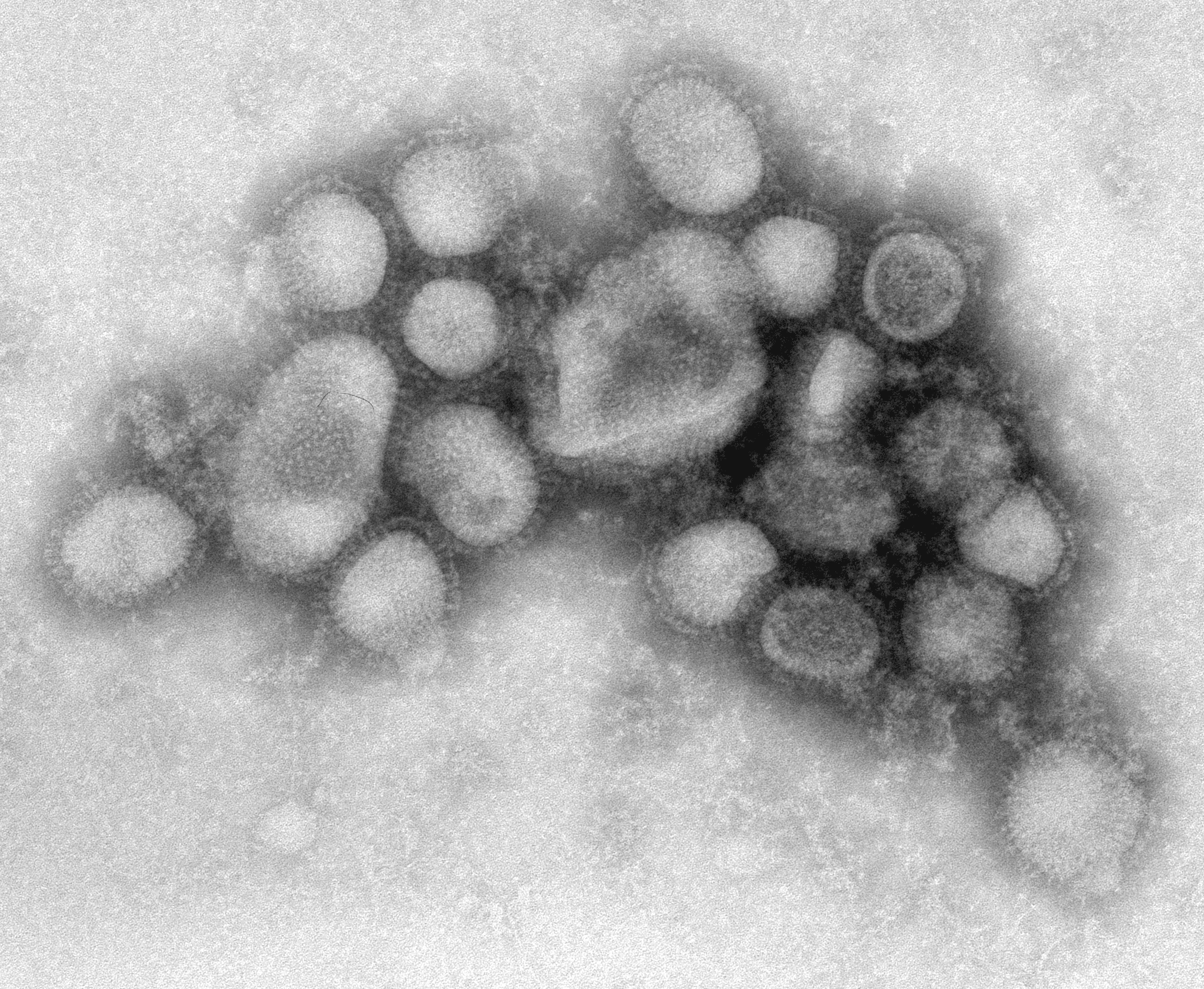
- Photograph: CDC Public Health Image Library 11213
Photo & Video Credits
Credit: C. S. Goldsmith and A. Balish, CDC · CDC / C. S. Goldsmith and A. Balish. License: Public domain — U.S. federal government. Source: file page.