Health
Fall Back Home Safety Checklist: Smoke Alarms, Heaters, Lights and Recalls
Clocks fall back Nov. 1. Use the extra hour to test smoke and CO alarms, set up space heaters, reset light timers and check four recent CPSC recalls.
What to know
- Clocks fall back one hour at 2 a.m. Sunday, Nov. 1. The extra hour is an easy reminder for a quick home safety check: alarms, heaters, lights and recalls.
- Safety agencies say to test smoke and carbon monoxide (CO) alarms monthly, replace replaceable batteries at least once a year and replace smoke alarms 10 years after the date they were made.
- On Aug. 20, the U.S. Consumer Product Safety Commission (CPSC) told people to stop using KH158 "4 in 1" plug-in gas and CO detectors, sold online under many brand names, because they may not sound when CO is present. That is a CPSC warning, not a recall.
- CPSC estimates portable heaters cause about 1,600 home fires a year. Its rules for them are simple: keep them 3 feet from anything that can burn, plug them straight into a wall outlet and turn them off before bed.
- Four recent CPSC recalls fit this checklist: VQQQ gas patio heaters, Designs Direct floor lamps sold at HomeGoods, and two button-battery products, CIYTI light-up princess costumes and Bamamon LED finger lights.
Daylight saving time ends at 2 a.m. Sunday, Nov. 1, when clocks go back to 1 a.m. For most homes, it is also the first week that the heat stays on, lamps come on before dinner and holiday lights start going up. That makes this weekend a good time for a short home check. The steps below come from the CPSC, the National Fire Protection Association (NFPA) and the U.S. Fire Administration (USFA), plus a few practical notes on resetting timers. For the clock change itself, including what time it gets dark and who doesn't change clocks, see our time change story.
1. Test every smoke alarm, then check how old it is
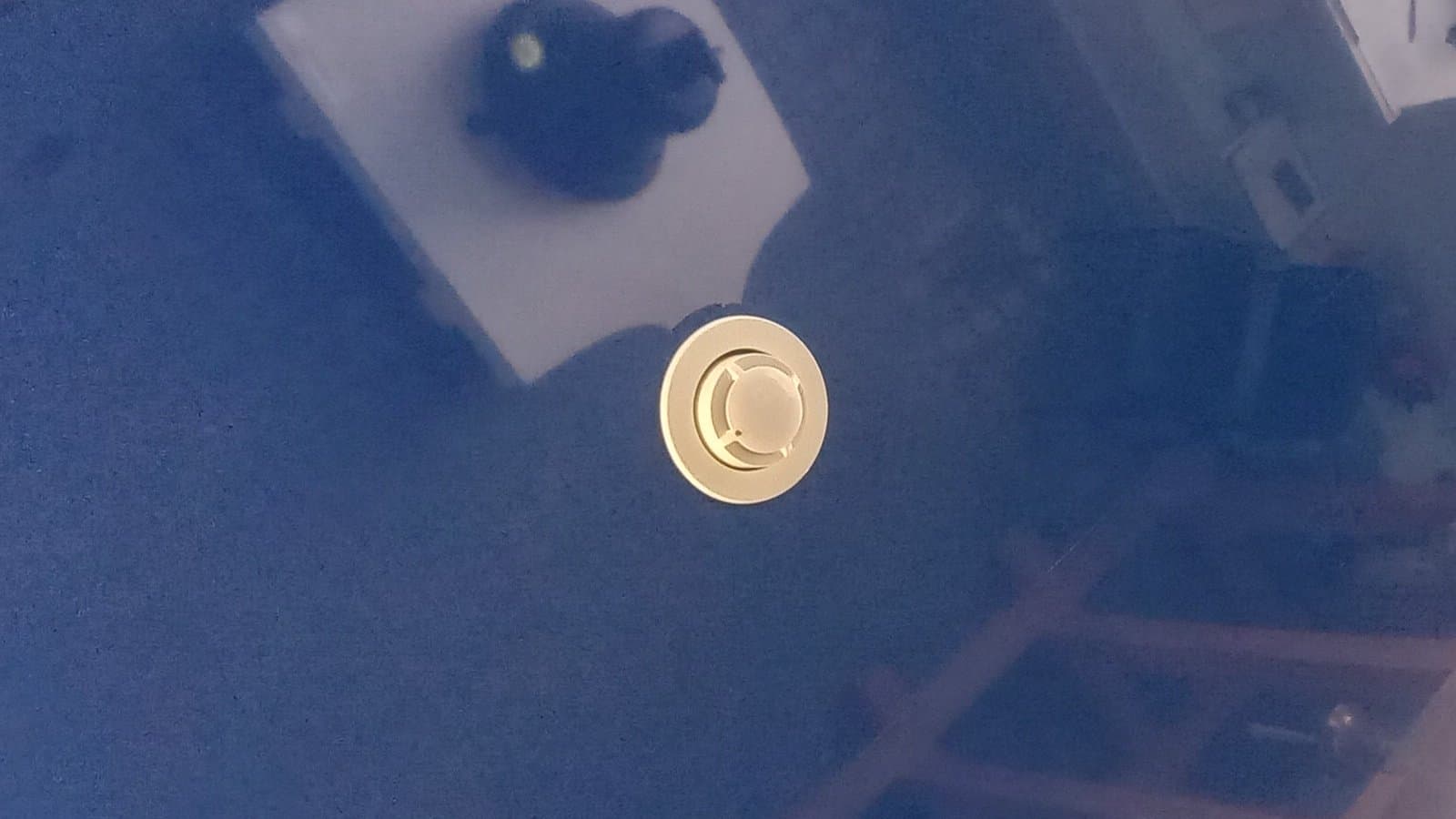
Press the test button on each alarm and listen for the loud three-beep pattern. The NFPA and USFA both say to test monthly. If an alarm stays silent, put in a new battery. If the unit is more than 10 years old, replace the whole alarm.
Check the age on the back. The USFA says smoke alarms need to be replaced 10 years from the manufacture date printed on the unit, not 10 years from when you bought it.
What to replace depends on the type of alarm, according to the USFA: - **9-volt battery alarms:** replace the battery at least once a year and the alarm every 10 years. - **Sealed 10-year lithium alarms:** there is no battery to change, so replace the whole unit when the maker says to. - **Hardwired alarms:** replace the backup battery at least once a year and the alarm every 10 years. The USFA says only a qualified electrician should install hardwired alarms.
Learn the sounds. The NFPA says three loud beeps in a row means smoke or fire: get out, call 911 and stay out. A single chirp every 30 to 60 seconds means the battery is low. If the chirping continues after a new battery, the alarm has reached the end of its life.
Check where the alarms are. Both agencies call for alarms inside each bedroom, outside each sleeping area and on every level, including the basement. They go on the ceiling or high on a wall. The NFPA says to keep them at least 10 feet from the stove to cut down on false alarms. Interconnected alarms are best, because when one sounds, they all do.
Why it matters: NFPA research finds that roughly three in five home fire deaths happen in homes that have no smoke alarms or none that work. Both the NFPA and USFA say people may have as little as two minutes to get out after an alarm sounds.
Two more tips from the USFA. If cooking sets off an alarm, don't pull the battery. Open a window, press the hush button or fan the air instead. And some fire departments give out or install alarms for free, so ask your local department through its non-emergency line. The USFA and NFPA also note that alarms with strobe lights and bed or pillow shakers are available for people who are deaf or hard of hearing.
2. Check your CO alarms, and look for one detector CPSC wants out of homes
Carbon monoxide has no color or smell, so an alarm is the only warning. The CPSC says CO alarms belong on every level of the home and outside sleeping areas. They should run on batteries or have a battery backup. The NFPA says to choose an alarm that carries a testing laboratory's label, test it monthly and replace it on the schedule the maker sets. If a CO alarm goes off, get everyone into fresh air and call for help from outside.
Look closely at any plug-in combination detector you bought online. On Aug. 20, the CPSC warned consumers to stop using KH158 "4 in 1" plug-in natural gas and CO detectors immediately. The agency said the detectors can fail to alert people to deadly CO and cited 91 reports of the devices failing to alarm. It says about 377,000 were sold from June 2024 through July 2026 on Amazon, eBay, AliExpress and other sites, for about $13 to $140. They carried many brand names, including KH Alert, ARIKON, ELECOIN, Sooguard, Vilfet and YOJOCK. CPSC's warning page lists them all.
This is a **warning, not a recall**. The CPSC says the Chinese manufacturer has not agreed to a recall, so there is no refund program. The agency's advice is to stop using the detectors, throw them away and install a working CO alarm that meets the UL 2034 safety standard. Read the CPSC warning and full brand list.
3. Set up space heaters before the first cold night
CPSC data show portable heaters were linked to about 1,600 home fires, 70 deaths and 150 injuries a year from 2020 through 2022. The agency's basic rules: - Keep the heater at least 3 feet from beds, curtains, papers and anything else that can burn. - Plug it straight into a wall outlet. Never use an extension cord or power strip. - Turn it off before you go to sleep. - Never refuel a fuel-burning heater while it is running.
For what this winter's heating may cost, see our El Niño heating bill guide.
4. Reset timers and rethink outdoor lights
Your phone changes the clock on its own, but many home timers don't. Plug-in dial timers and many older digital timers will switch porch, yard and window lights on an hour off schedule after Sunday unless you reset them. Smart plugs and app-based timers usually follow your phone's time, and some can be set to turn on at sunset. Check the app after the change to be sure. String lights with a built-in timer usually run for a set number of hours from when you switch them on, so turn them on at the time you want them to run each day.
If holiday decorating starts soon, the CPSC's lighting advice is worth reviewing before the ladder comes out: - Use lights tested by a nationally recognized lab, such as UL or ETL. - Outdoors, use only lights labeled for outdoor use and plug them into an outlet protected by a ground-fault circuit interrupter (GFCI). - Check every set, new or old, for cracked sockets, frayed or bare wires and loose connections. Throw out damaged sets. - Don't connect more than three sets of incandescent lights, and don't overload outlets. - If you use an extension cord, make sure it is rated for how and where you use it.
Ladders matter too. The CPSC estimates that about 14,900 people went to emergency rooms for holiday decorating injuries in the 2023 holiday season. That is about 160 a day, and nearly half involved falls.
Swapping old strings for LEDs also saves money. ENERGY STAR says certified LED light strings use about 70% less energy than incandescent strings and stay cool to the touch. The Energy Department notes that timers save electricity by turning lights off when nobody needs them.
5. Run the recall check
Recalls aren't only for cars and food. These recent CPSC actions fit this time of year. Each link goes to the official CPSC notice, which explains how to identify the product and claim the remedy.
**VQQQ natural gas patio heaters (Oct. 22, about 100 units).** The CPSC says parts can malfunction and leak gas, creating fire and burn hazards. The heaters have a bronze pole, a round base and a silver mushroom-shaped top, adjust from about 55 to 78 inches tall and come with a 24-foot gray gas hose. The model numbers, VQQQ-A1 and VQQQ-001, are on the receipt. They sold on Amazon from July 2024 through August 2026 for about $346. No incidents were reported. Stop using the heater, shut off the gas at the source and disconnect the hose, then contact VQQQ for a full refund. CPSC recall 27-039
**Cupcakes and Cashmere three-light floor lamps from Designs Direct (Oct. 1, about 4,200 units).** With more lamps on in the early evening, this one is worth a look. The CPSC says the cord or internal wiring can smoke, melt, spark, overheat or catch fire. The firm has received 11 reports, including two shock and burn injuries. The gold lamps are about 63 inches tall with three glass globe shades in multicolor or cream. The model numbers, 7927-OZ and 7927-OZ1, are on a sticker under the base. They sold at HomeGoods from June 2025 through July 2026 for $79 to $89. Turn the lamp off, unplug it and follow the firm's instructions online to get a full refund. CPSC recall 27-007
**CIYTI light-up princess costumes (Oct. 22, about 94 units).** The blue dress comes with a light-up crown, a wand and a remote, and all three hold button batteries. The CPSC says the batteries are too easy for children to reach, which violates the federal toy safety standard. The costumes sold on Amazon from February through June 2025 for $21 to $35, so they may already be in a dress-up bin. No incidents were reported. Take the costume away from children, stop using it, mark it "Recalled," throw it away and send a photo as the notice explains. Dispose of the batteries according to local hazardous-waste rules. CPSC recall 27-038
**Bamamon LED projecting finger lights (Oct. 22, about 6,533 units).** These come 32 to a box in mixed colors, a common party-favor size, and project space-themed images. Each light holds three button batteries in a compartment the CPSC says children can easily open. They sold on Amazon from March 2025 through August 2026 for about $13 to $14. No incidents were reported. Stop using them and contact Bamamon by email for a refund, as described on the notice. CPSC recall 27-042
The two battery recalls are a good reason to check every gadget in the house with a coin-sized battery. The CPSC says a swallowed button battery can burn through a child's throat in as little as two hours. Toys that use these batteries are required to have a compartment that takes a screwdriver, coin or tool to open. Tape over the ends of used batteries before you throw them out or recycle them. If you think a child has swallowed one, the CPSC says to get medical help immediately.
Your five-minute fall back checklist
- Test every smoke and CO alarm and check the manufacture dates.
- Replace batteries that need it and replace alarms that are 10 years old.
- Unplug and toss any KH158-style "4 in 1" plug-in detector.
- Set space heaters 3 feet from anything that can burn, with each plugged straight into the wall.
- Reset plug-in light timers to the new time.
- Look up heaters, lamps, costumes and toys at cpsc.gov/recalls.
What we know
- Clocks fall back at 2 a.m. Sunday, Nov. 1.
- The CPSC, NFPA and USFA all call for monthly alarm tests and alarms on every level of the home.
- The KH158 detectors are under a CPSC warning, not a recall.
- The four recalls above were announced in October.
What we don't know yet
- Whether the maker of the KH158 detectors will agree to a recall or offer refunds.
- How many of the recalled products are still in use.
What happens next
CPSC posts new recalls most weeks at cpsc.gov/recalls, and it has issued winter heating and holiday safety guidance in past years. If you buy a new alarm, heater or set of lights this season, check for a testing-lab label and look up the model before you plug it in.
*Credits: reporting from the U.S. Consumer Product Safety Commission, the National Fire Protection Association, the U.S. Fire Administration, ENERGY STAR and the U.S. Department of Energy. NewsCubby articles are produced with AI assistance and reviewed by humans.*
*Want more? Explore today's headlines on NewsCubby and join My Day free to make NewsCubby part of your day.*
Sources, credits & editorial notes
- U.S. Fire Administration (FEMA), "Smoke Alarms," page last reviewed Oct. 13, 2026
- National Fire Protection Association, "Smoke Alarm Information"
- NFPA, "U.S. home heating fires peak during winter months," Jan. 22, 2026
- U.S. Consumer Product Safety Commission, winter safety tips for generators, furnaces and space heaters, Jan. 23, 2026
- CPSC warning: stop using KH158 "4 in 1" plug-in natural gas and CO detectors, Aug. 20, 2026
- CPSC recall 27-039: VQQQ gas patio heaters, Oct. 22, 2026
- CPSC recall 27-007: Designs Direct Cupcakes and Cashmere three-light floor lamps, Oct. 1, 2026
- CPSC recall 27-038: CIYTI light-up princess costumes, Oct. 22, 2026
- CPSC recall 27-042: Bamamon LED projecting finger light toys, Oct. 22, 2026
- CPSC holiday safety release (cooking, decorating and toys), 2025
- CPSC Holiday Safety Information Center
- CPSC, "Ten Tips to Keep Your Holiday Home Fire and Injury Free" (long-standing guidance, 2009)
- CPSC Button Cell and Coin Battery Information Center
- ENERGY STAR (EPA), "Light Strings"
- U.S. Department of Energy, "Energy Saver" guide (2022)
- Photo: Georg Pik / Wikimedia Commons, CC0 1.0 (archive photo, 2023; cropped)