Science
Japan’s MMX launches toward Mars’ moons, aiming to bring Phobos samples home
JAXA confirmed spacecraft separation after liftoff. The mission carries U.S. instruments and targets a 2031 sample return; the difficult work is still ahead.
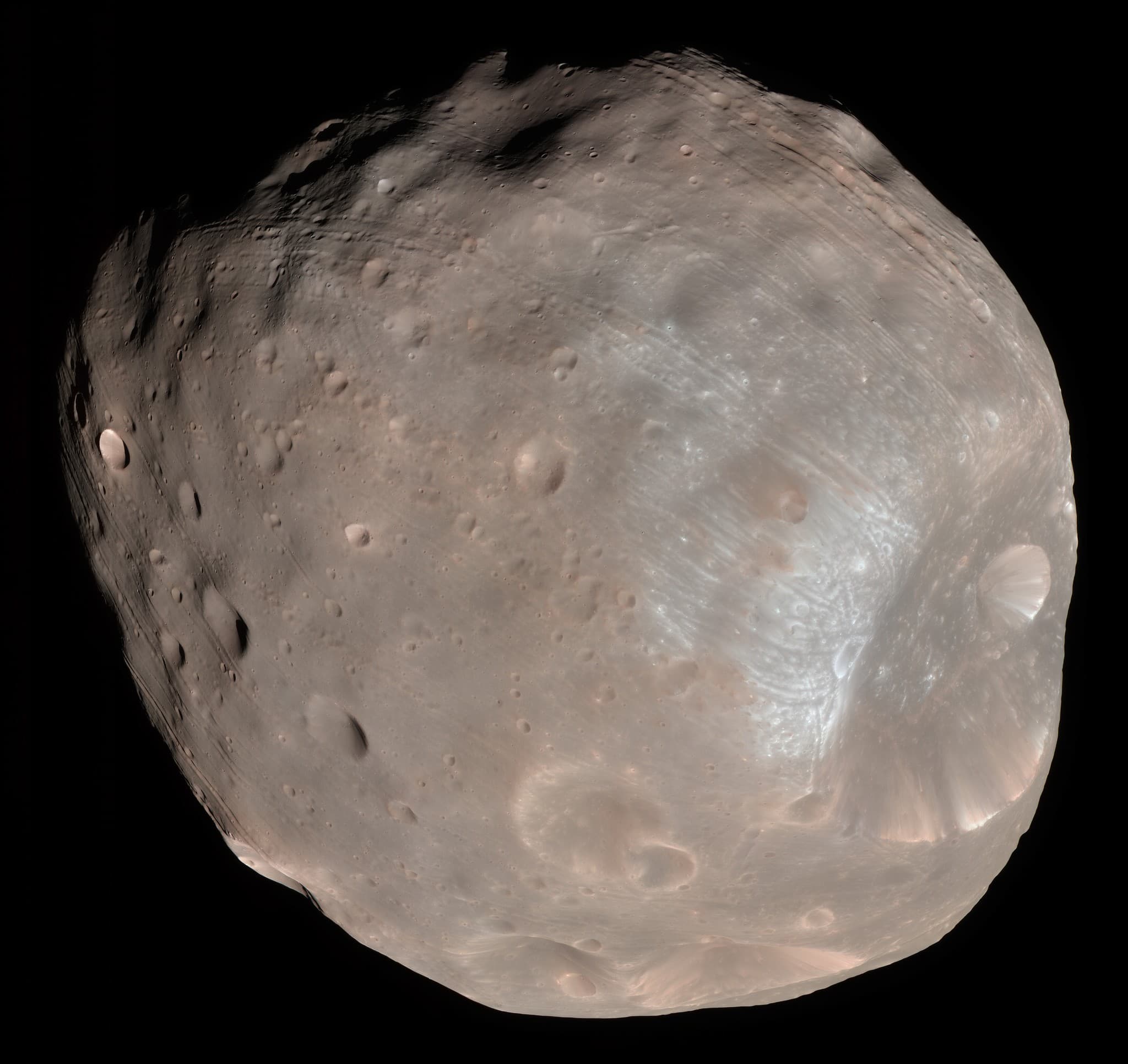
What to know
- JAXA confirmed successful launch and spacecraft separation; MMX has not arrived at Mars or collected a sample.
- The mission will study Phobos and Deimos and attempt to return material from Phobos.
- Mars arrival is planned for 2027, with samples targeted to reach Earth in 2031.
- NASA contributes instruments, sampling technology, navigation and communications support.
Japan’s Martian Moons eXploration spacecraft has begun its journey toward the Mars system. JAXA confirmed that the H3 rocket flew as planned and separated MMX about 71 minutes after launch from Tanegashima.
The launch took place at 4:41 a.m. Tuesday, October 20, in Japan—3:41 p.m. Monday, October 19, on the U.S. East Coast. That date difference matters when following the mission from the United States.
Why go to a moon of Mars?
Scientists want to distinguish between competing explanations for the moons’ origins: captured asteroids or debris from an impact on Mars. Material studied in Earth laboratories can help answer questions that images alone leave open.
NASA’s MEGANE instrument will examine Phobos’ chemical composition. A U.S. pneumatic sampler is designed to gather surface material using nitrogen gas, complementing JAXA’s deeper sampling method. NASA says it will curate about 15% of the returned material for future research.
What happens next
The immediate achievement is a confirmed departure, followed by a long cruise and detailed surveys before sampling. The arrival, collection and return dates are mission plans, rather than completed milestones.
For American readers, this is also a scientific partnership: U.S. equipment and researchers are participating in the Japanese-led mission. Its eventual value will depend on the spacecraft completing those later operations and delivering usable material.
