Business
Housing starts fell in September’s estimate. Here is what the numbers can—and cannot—tell us.
The Census report shows a lower building pace, but the estimated changes in starts are not statistically significant. The annualized figures are not actual monthly totals.
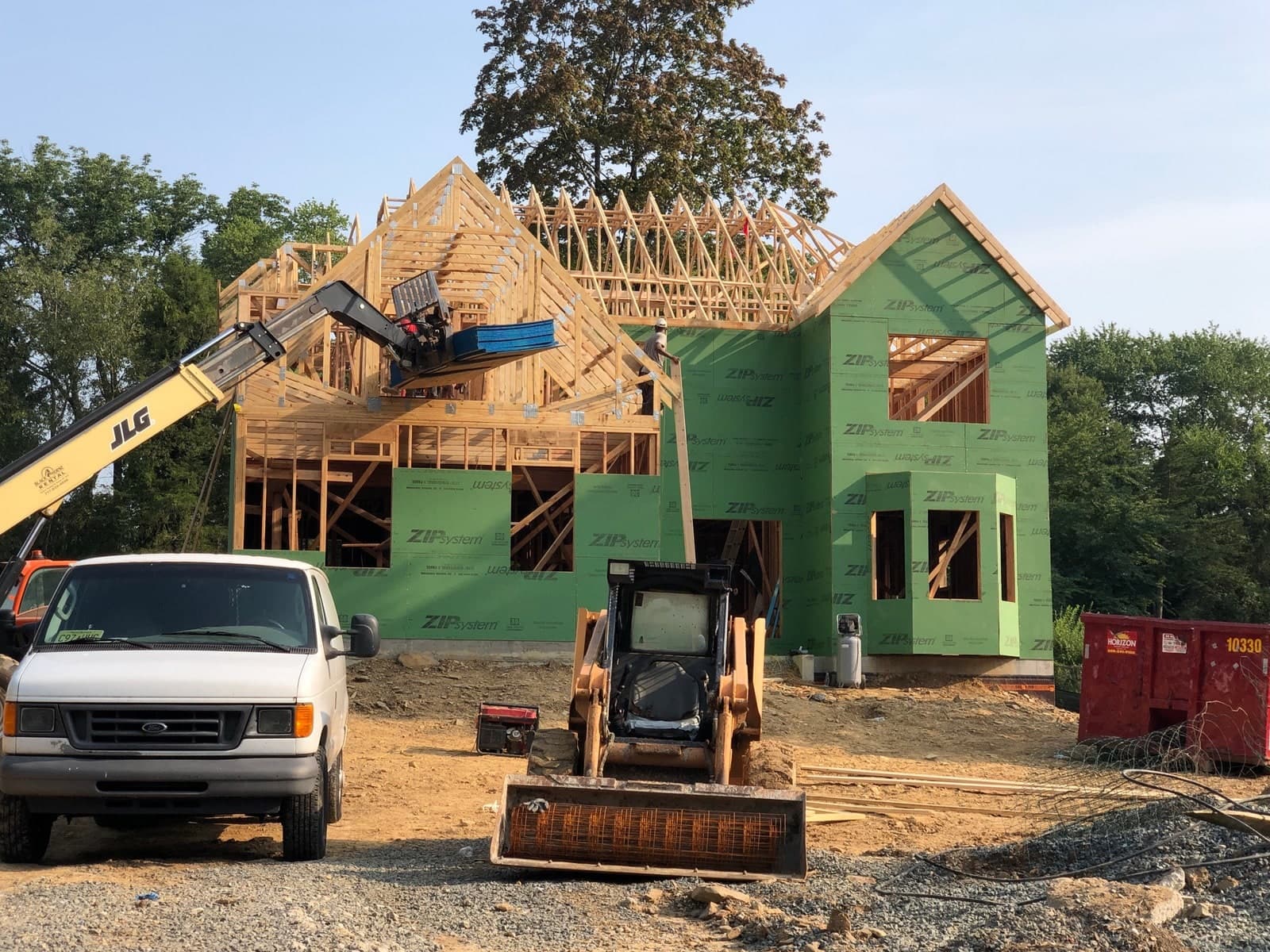
What to know
- Housing starts were estimated at a seasonally adjusted annual rate of 1.221 million in September.
- The estimated 5.2% monthly decline has a margin of error of ±11.8 percentage points; it is not statistically significant.
- Building permits ran at an annualized 1.400 million, down 0.2% from August.
- These are rates describing the month’s pace, not 1.221 million homes actually started during September.
The latest federal housing report points to a lower estimated pace of construction in September. It does not, on its own, establish that homebuilding has entered a sustained downturn.
Why the margin of error matters
The Census Bureau’s October 20 release also puts starts 7.4% below a year earlier, with a ±11.5-point margin of error. That comparison, too, is not statistically significant. Single-family starts were estimated at an annualized 859,000; their 4.6% monthly decline has a ±10.0-point margin.
These are 90% confidence intervals, and each includes no change. A lower central estimate is worth watching, but a claim that the survey proves a decline would overstate the evidence.
Follow the construction pipeline
Permits authorize work. Starts measure the beginning of construction; completions measure finished housing. They describe different stages and should not be treated as interchangeable counts of homes available to buy or rent.
Seasonal adjustment accounts for recurring calendar patterns. Annualization expresses that adjusted monthly pace on a yearly scale; it is not a forecast of how many homes will be built over the coming year.
For households, the useful question is whether permits and starts translate into completed homes in the places they want to live. This national report cannot settle a particular neighborhood’s supply or predict a buyer’s mortgage rate. Future releases and revisions will help show whether September’s estimate becomes a broader pattern.