Personal Finance
El Niño Winter 2026-27: What It Means for Your Heating Bill and Home
A strong El Niño points to a milder winter for much of the U.S., but EIA projects oil-heated homes will spend 21% more. What to expect and how to prep.
What to know
- Federal forecasters say a strong to very strong El Niño is likely to last through at least January to March 2027, and NOAA's winter outlook favors a milder-than-normal winter for much of the northern and eastern U.S. with a wetter one across the southern tier and up the East Coast.
- Milder on average does not mean storm-free. A NOAA forecaster told CNN that El Niño-fueled nor'easters could still bring above-normal snow to cities such as Washington and Baltimore, and short, sharp cold snaps remain possible.
- The U.S. Energy Information Administration (EIA) expects the average household heating with natural gas to spend about 9% less this winter, while electric heat is expected to cost about 4% more and heating oil about 21% more.
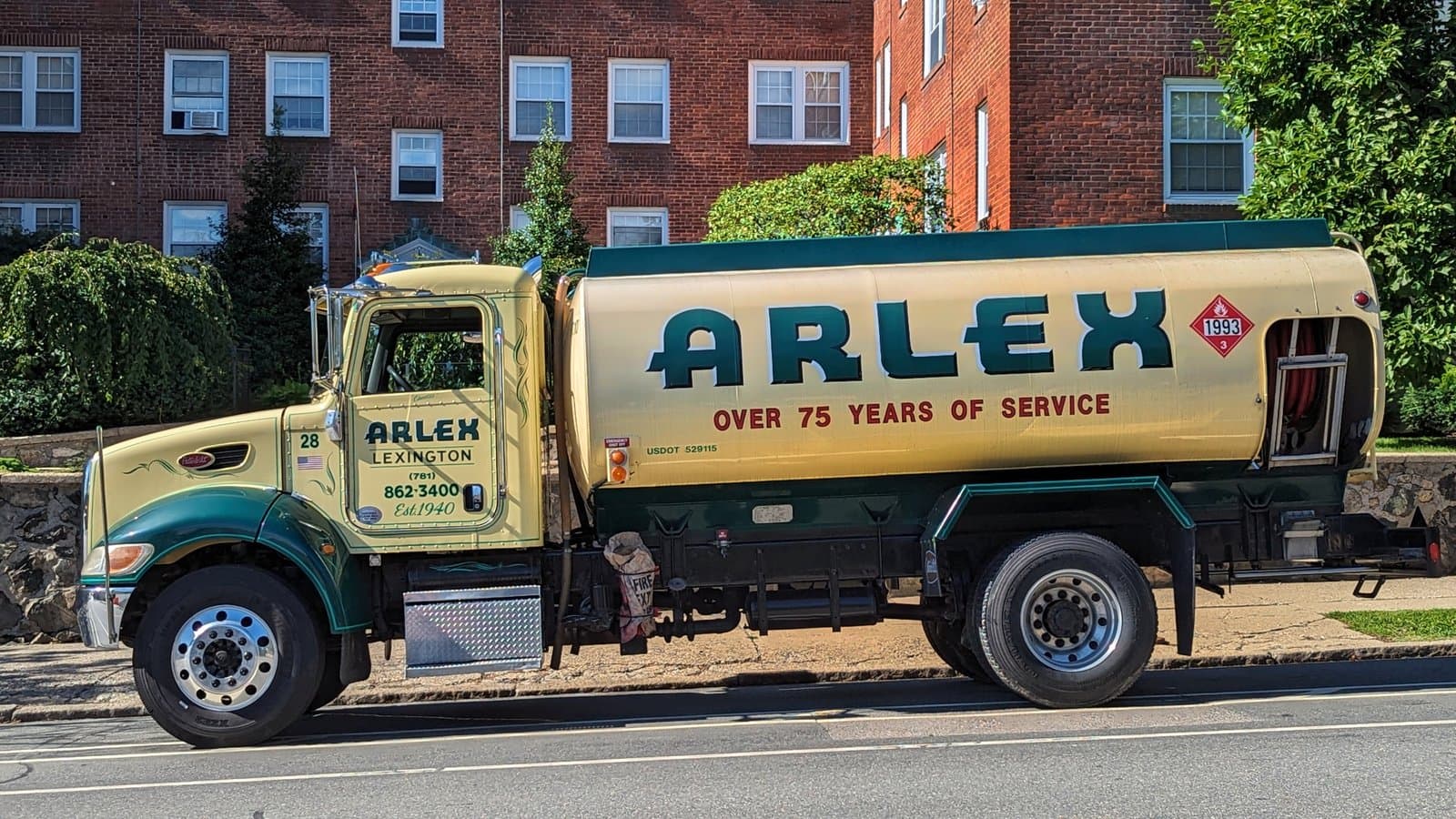
- Heating oil is already running hot: the U.S. average residential price was $6.19 a gallon on Oct. 19, above EIA's $5.26 average forecast for the whole winter.
- The cheapest and safest moves are the basic ones: get fuel-burning equipment inspected, test smoke and carbon monoxide alarms, set back the thermostat, and check whether you qualify for energy assistance before the cold arrives.
The forecast for this winter is unusually loud. A strengthening El Niño, the periodic warming of the tropical Pacific that reshapes weather patterns around the world, is at the center of a run of national coverage this month. For households, the more practical question is simpler: what does it mean for the heating bill, and what should you do to the house before the first real cold?
Here is what federal forecasters and energy officials are saying, and the low-cost steps that safety agencies recommend now.
How strong is this El Niño?
In its Oct. 8 update, NOAA's Climate Prediction Center said El Niño kept strengthening in September and that a strong to very strong event is likely through January to March 2027, with the odds above 83%. The center also put high odds on a historic event, one stronger than any El Niño on its records going back to 1950, during the October-to-December period. It cautioned that a strong event makes typical El Niño impacts more likely, but not guaranteed. The next monthly update is scheduled for Nov. 12.
The Washington Post reported Monday that the effects could start to show up in November, as a stronger subtropical jet stream steers storms across the southern U.S., from California to Florida and up the East Coast.
What NOAA's winter outlook says
NOAA's official outlook for December through February, released Oct. 15, favors warmer-than-normal temperatures across northern California, the Pacific Northwest, the Midwest, the Mississippi Valley and much of the East, as well as Alaska and Puerto Rico. Near-normal temperatures are most likely in the Southeast and Florida.
For precipitation, the outlook leans wetter than normal across the southern tier of the country and along the East Coast, and drier in Hawaii and parts of the northern Mountain West and Great Lakes. NOAA expects drought to ease in the Southwest, southern Plains, Southeast and along the East Coast, but to worsen in the northern Rockies and parts of the inland Northwest.
National Weather Service Director Ken Graham warned when the outlook came out that heavy rain falling on dry ground can lead to flash flooding and mudslides, a particular concern in places that have been in drought. NOAA also said it is rolling out a new online tool for precipitation probabilities this winter and will use "particularly dangerous situation" wording in some blizzard and ice storm warnings. The agency updates the outlook on Nov. 19 and notes that snowfall totals can't be predicted more than about a week ahead. For the full regional breakdown, see NewsCubby's earlier story on NOAA's 2026-27 winter outlook.
A milder winter can still bring big storms
Averages hide the storms. Jon Gottschalck of the Climate Prediction Center told CNN that nor'easters charged up by El Niño could bring above-average snow to places such as Washington and Baltimore. CNN also reported that the stronger Pacific jet stream would make long-lasting Arctic outbreaks harder to sustain, though brief cold bursts can still happen.
The last very strong El Niño shows why that matters. During the 2015-16 winter, New York City had a warm season overall, yet still got a January 2016 blizzard that dropped 27.5 inches of snow, CNN noted. For homeowners, the takeaway is to plan for a cheaper average winter and still be ready for a few hard days.
What winter heating could cost you
EIA's Winter Fuels Outlook, released Oct. 6, estimates average spending from October through March by the main heating fuel: - **Natural gas** (about 46% of U.S. homes): about $640, down 9% from last winter. EIA projects declines of 14% in the Northeast, 10% in the Midwest and 15% in the South, but a 7% increase in the West. - **Electricity** (more than 40% of homes): about $1,196, up 4%, driven mainly by higher electricity prices. EIA expects the biggest jump, 9%, in the West. - **Propane:** about $1,246, down 3%, with a larger drop in the Northeast. - **Heating oil** (about 4.1 million households, or about 3% of the total, most of them in the Northeast): about $2,115, up 21%. EIA expects households to burn about 9% less fuel in a milder winter, but prices to average $5.26 a gallon, roughly a third higher than last winter.
Part of the gas savings comes from the weather itself: EIA assumed the Northeast would be about 12% warmer than last winter, measured in heating degree days, while the West would be colder. The agency said a strong El Niño could push actual weather, and bills, well away from its forecast in either direction.
Why heating oil customers should pay attention now
The weekly numbers suggest oil-heat households are already paying more than the winter forecast. EIA's weekly survey put the U.S. average residential heating oil price at $6.19 a gallon on Oct. 19, up from $6.05 two weeks earlier. Prices were higher in several Northeast and Mid-Atlantic states, including New York ($6.42), New Jersey ($6.38) and Maryland ($6.37), while Connecticut and Massachusetts were near $6.15 and $6.12. The Midwest averaged $5.91.
Supplies are tight. EIA said East Coast inventories of distillate fuel, the category that includes heating oil and diesel, were 32% below their five-year seasonal average in September and are expected to stay 20% to 30% below average through the winter. It also noted that changes in wholesale prices typically reach retail heating oil and propane prices within about four to six weeks. EIA's next weekly price report is due Wednesday, Oct. 28.
EIA's advice is practical: its numbers are regional averages, so compare them with an actual quote from your dealer, and don't assume switching fuels will save money. If you buy oil or propane, ask your supplier about budget plans, prepay or capped-price contracts, and when it makes sense to fill the tank.
Low-cost ways to trim the bill
The Department of Energy says you can save as much as 10% a year on heating and cooling by turning your thermostat back 7 to 10 degrees Fahrenheit for about eight hours a day from its normal setting, for example while you sleep or are at work. It suggests about 68 to 70 degrees while you're home and awake, and says a programmable or smart thermostat can handle the schedule automatically.
Two caveats from the agency: savings from setbacks are larger in milder climates, and deep setbacks are generally not recommended for heat pumps, which can switch to less efficient backup heat when they work to recover. With a heat pump, a steady, moderate setting is usually the more cost-effective choice unless your thermostat is designed for heat-pump setbacks.
Other simple steps: make sure the thermostat isn't near a drafty door, window or sunny spot that throws off its reading, and ask your heating technician or the equipment maker how often to change the furnace filter.
Safety first: heaters, alarms and vents
Winter is the peak season for heating fires. The National Fire Protection Association (NFPA) says U.S. fire departments responded to an estimated average of about 37,400 home heating equipment fires a year from 2020 to 2024, causing about 417 deaths a year. Nearly half happen from December through February. Space heaters and heating stoves accounted for 47% of those fires but 73% of the deaths.
The Consumer Product Safety Commission (CPSC) and NFPA recommend: - **Have fuel-burning equipment inspected every year** by a professional, including furnaces, boilers, fireplaces, wood stoves, water heaters, chimneys, flues and vents. - **Keep space heaters at least 3 feet** from bedding, curtains, furniture and anything else that can burn. Plug electric heaters straight into a wall outlet, never an extension cord or power strip, and turn them off when you leave the room or go to sleep. - **Install smoke alarms** on every level and inside each bedroom, and **carbon monoxide alarms** on every level and outside sleeping areas. Battery-powered or battery-backup alarms keep working in an outage, and interconnected alarms are best. Test them monthly. - **Never run a generator indoors**, including in a garage, basement or shed. CPSC says to keep it outdoors at least 20 feet from the home with the exhaust pointed away. - **Clear snow from outdoor vents** for the furnace, dryer and fireplace after storms, NFPA says, so exhaust can escape.
If you're pulling out older heating gear, check it against CPSC's recall list. Last week, for example, CPSC announced a recall of about 100 VQQQ natural gas patio heaters that can leak gas and pose a fire and burn risk. CPSC says owners should stop using them, shut off the gas supply and contact the company for a refund.
If the bill is hard to cover
The federal Low Income Home Energy Assistance Program (LIHEAP) helps eligible households with heating bills, shutoff prevention and some heating repairs, according to the Administration for Children and Families. Applications go through state and local agencies, and EnergyHelp.us lists where to apply, in English and Spanish. The agency warns that LIHEAP never charges a fee and does not send grants directly to individuals, so treat any message promising a LIHEAP grant for a fee as a scam.
What we know
- NOAA expects a strong to very strong El Niño through at least early 2027, with a milder, wetter tilt for much of the U.S.
- EIA expects natural gas heating to cost less this winter and electricity, and especially heating oil, to cost more.
- Weekly heating oil prices are already above EIA's average winter forecast.
What we don't know yet
- How cold and snowy any specific week or city will be. Seasonal outlooks are probabilities, not promises.
- Where heating oil and propane prices go from here.
What happens next
EIA's next weekly heating oil and propane prices come Wednesday, Oct. 28, and its next monthly energy outlook is due Tuesday, Nov. 10. NOAA's Climate Prediction Center updates its El Niño discussion on Nov. 12 and the winter outlook on Nov. 19.
*Credits: reporting from NOAA and its Climate Prediction Center, the National Weather Service, the U.S. Energy Information Administration, the U.S. Department of Energy, the U.S. Consumer Product Safety Commission, the National Fire Protection Association, the Administration for Children and Families, CNN and The Washington Post. NewsCubby articles are produced with AI assistance and reviewed by humans.*
*Want more? Explore today's headlines on NewsCubby and join My Day free to make NewsCubby part of your day.*
Sources, credits & editorial notes
- NOAA, "El Niño looms large over U.S. winter outlook," Oct. 15, 2026
- NOAA Climate Prediction Center, ENSO Diagnostic Discussion, Oct. 8, 2026
- CNN Weather, El Niño winter snow maps, Oct. 24, 2026
- The Washington Post (Ben Noll and John Muyskens), El Niño winter outlook, Oct. 26, 2026
- U.S. Energy Information Administration, Winter Fuels Outlook, Oct. 6, 2026
- EIA press release on winter heating costs, Oct. 6, 2026
- EIA, Today in Energy, winter heating expenditures
- EIA, Weekly residential heating oil prices (data through Oct. 19, 2026)
- U.S. Department of Energy, Energy Saver, "Programmable Thermostats" (Internet Archive copy, June 28, 2026)
- U.S. Consumer Product Safety Commission, winter safety tips for generators, furnaces and space heaters, Jan. 23, 2026
- National Fire Protection Association, "U.S. home heating fires peak during winter months," Jan. 22, 2026
- CPSC recall: VQQQ gas patio heaters, Oct. 22, 2026
- Administration for Children and Families (HHS), Low Income Home Energy Assistance Program (LIHEAP)
- EnergyHelp.us, where to apply for LIHEAP (via ACF)
- Photo: Daderot / Wikimedia Commons, CC0 1.0 (archive photo, 2023; resized)