Politics
Campaign trail: Texas rallies and Michigan’s Senate race
A look at Tuesday’s scheduled Texas appearances, new polling and the campaign arguments to watch before Election Day.
What to know
- Trump’s organizer lists a Lubbock rally for 6 p.m. Central Tuesday, equivalent to 7 p.m. Eastern; advance plans do not establish what he actually says there.
- James Talarico also has an evening Lubbock event planned. A Monday local report said its venue changed to the Fiesta Center.
- New polling adds information nationally and in Michigan, without resolving individual contests.
- Household costs, healthcare and the relationship with Trump remain central themes in campaign messages reviewed for this roundup.
The closing week of the midterm campaign is bringing a familiar national argument into state-by-state contests: whether voters should reward President Donald Trump’s agenda or use Congress to check it. Tuesday’s developments include a fresh Michigan Senate poll, closely watched Texas campaign appearances and a new national survey showing Democrats ahead on the generic congressional ballot.
Those developments are not interchangeable measures of the election. A rally is an organizing and persuasion event. A poll is a sample of reported preferences. Early-voting data records participation. Together they help explain what the campaigns are trying to do, but none supplies the final results of the November 3 election.
What is scheduled in Texas tonight?
The official Republican event listing schedules Trump’s Lubbock remarks for 6 p.m. Central at the Lubbock Memorial Civic Center, or 7 p.m. Eastern. The appearance is scheduled for tonight; it has not happened at this article’s afternoon preparation time. The listing establishes the announced plan, rather than what the president will ultimately say.
Talarico, the Democratic Senate nominee facing Republican Ken Paxton, also plans a Lubbock rally. The Lubbock Avalanche-Journal reported Monday that his event had moved to the Fiesta Center, with doors at 6 p.m. and the program at 7 p.m. local time. Earlier articles listed a different location. Anyone using the event information should check the latest organizer instructions rather than rely on the older venue.
The competing appearances illustrate why a campaign-trail roundup needs dates and time zones, not simply a list of names. An event scheduled later in the evening should not be written as completed, and a venue change should not be lost when a story is updated. A published speech, a planned appearance and a campaign’s description of the event are different records.
How does affordability connect the campaign arguments?
Both Texas Senate candidates have tried to connect policy to household expenses. Paxton’s earlier economic advertising promoted tax deductions associated with housing and health expenses. Talarico’s platform argues for middle-class tax relief financed by greater contributions from billionaires and corporations. These are the campaigns’ proposed approaches, not benefits guaranteed to every voter.
The practical comparison is how a proposal would operate. A tax deduction can have a different effect from a direct payment, an insurance change or a reduction in a fee. Eligibility, financing and implementation determine who benefits. An ad’s promise of relief does not provide those answers by itself.
Texas’ published House journals provide a way to check the particular measures cited in tax arguments. The voter needs the bill, date and recorded decision, rather than a campaign’s conclusion about every tax a household pays. A documented vote and a promise about future policy remain different kinds of evidence.
What changed in Michigan today?
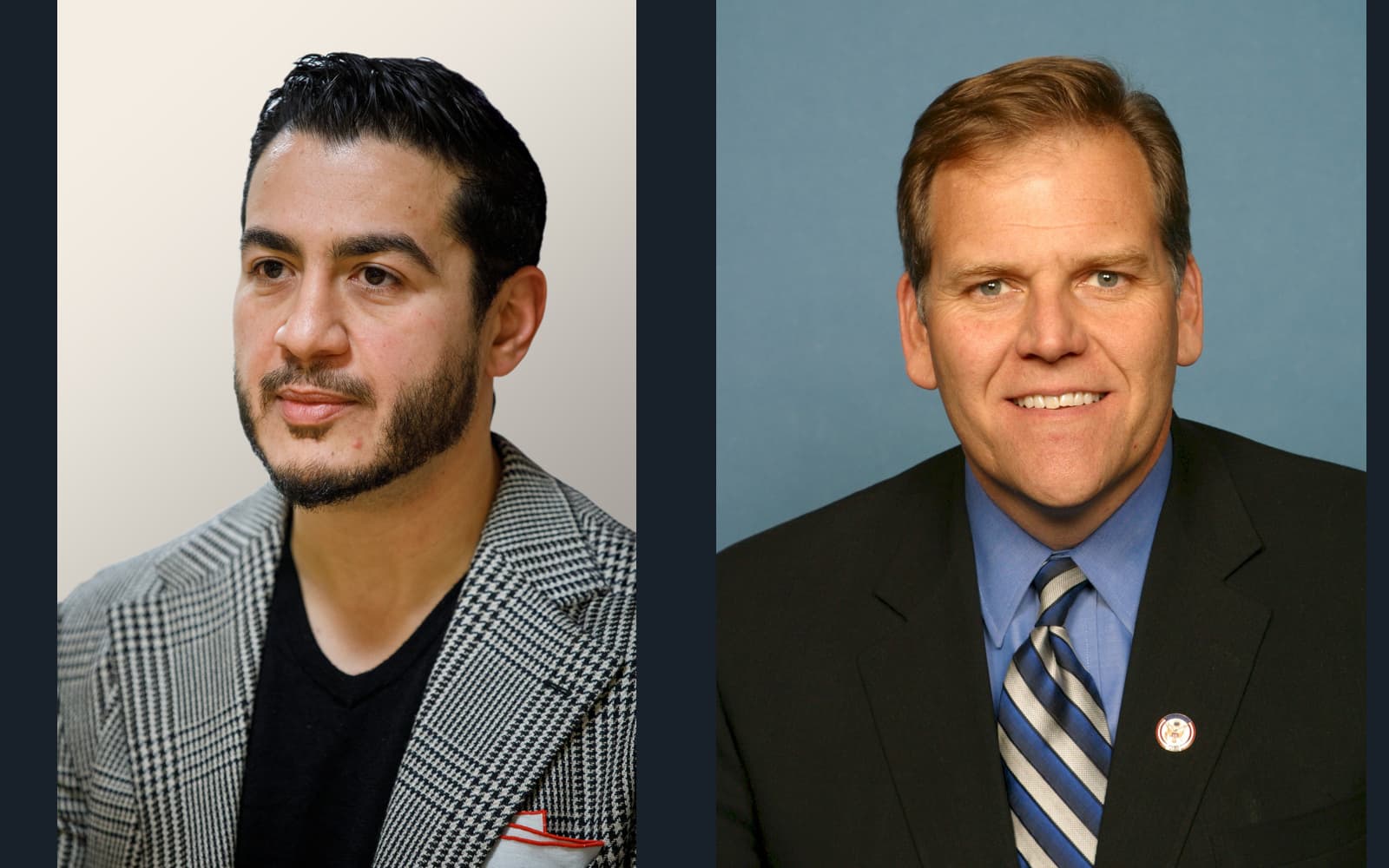
The Detroit News/WDIV poll released Tuesday puts Abdul El-Sayed at 51.4% and Mike Rogers at 45.1% among likely voters. The report identifies 600 interviews conducted October 19–22 and a four-percentage-point margin of sampling error. Its narrower definite-voter group produced a smaller gap. The poll is new public information, while its interviews took place last week.
The nonpartisan Marist institute’s October 21 Michigan release distinguished likely voters from registered voters. These are different survey populations. Their results should not be treated as interchangeable, and differences between separate surveys do not automatically establish movement over time. The Marist release supplies the earlier comparison.
The campaigns’ own platforms show distinct priorities. El-Sayed emphasizes healthcare reform and reducing wealthy interests’ influence in politics. Rogers emphasizes manufacturing, household costs and cooperation with Trump. Comparing those stated priorities is more informative than presenting an endorsement, applause line or crowd photograph as a substitute for a policy record.
What does the national congressional survey show?
The nonpartisan NPR/PBS News/Marist release published October 27 reports Democratic congressional candidates at 52% and Republicans at 44% among likely voters nationally. Interviews were conducted October 19–20, with a reported sampling margin of plus or minus 3.8 percentage points. The question concerns respondents’ preferred party for Congress in their district.
That national generic-ballot measure does not identify the winner in a particular House district or Senate contest. District boundaries, candidate choices and participation vary. An eight-point national preference gap cannot simply be assigned to Michigan, Texas or any other state. The release is evidence about the national environment under the survey’s methodology, not a completed projection of congressional control.
The same release finds that many likely voters view their congressional choice through their opinion of Trump. That helps explain why presidential appearances and Democratic criticism of the administration draw attention. It does not erase local candidates’ responsibilities to explain their own plans or make every individual congressional contest identical.
How are national figures joining state campaigns?
Reuters reported that Barack Obama campaigned for Democrats in Cleveland and Detroit on October 24, including an appearance supporting El-Sayed. His argument was that electing Democrats could impose accountability on the current administration. That describes a completed weekend appearance; it should not be mislabeled as a new Tuesday rally.
The Associated Press reported that Trump campaigned in Mississippi on Monday as part of his closing push for Republicans. The two reports show the national figures engaging in different states, but their appearances do not establish how individual voters responded. NewsCubby has not independently measured a change in support caused by either president’s remarks.
Celebrity and high-profile endorsements can increase attention to an event. They remain endorsements, rather than substitutes for an examination of the candidate’s positions. Likewise, a campaign’s own attendance claim needs verification before it becomes a factual crowd estimate. A tightly framed photograph cannot establish the size or representativeness of a statewide coalition.
Which voting deadlines are approaching?
The persuasion effort is unfolding while people are already voting. Texas’ early in-person period ends October 30, according to the secretary of state. Other states have different closing dates and hours. The approaching deadlines make practical voter information a necessary companion to coverage of speeches and advertising.
Early-vote totals still do not reveal candidate choices. Party registration, where reported, identifies a voter’s registration rather than the contents of the secret ballot. Different parties can also rely on different voting methods. A campaign’s enthusiasm claim should remain attributed until supported by evidence that actually measures the claim.
What should readers watch for tonight?
Tonight, the useful evidence will be verified remarks from events that have occurred, substantive changes in policy or campaign positions, and new official information that affects voters. A late-breaking claim needs context and a response where available, while uncertainty must remain visible. The absence of an immediate response is not an admission.
The central test remains practical: what changed, why does it matter and what can readers verify? Texas’ evening appearances, Michigan’s new poll and the national survey offer different pieces of that picture. None should be inflated into a result. With one week until Election Day, the campaigns still have an argument to make and voters still have a decision to deliver.
How can readers follow the events without mistaking promotion for reporting?
An organizer’s listing is good evidence of the announced time and location, but it is not a transcript of remarks that have not happened. Before an appearance, campaign material should be attributed as a plan or a promise. Afterward, an account of the speech should establish the exact statement, the setting and any relevant response. A short clip can omit the question or qualification that preceded it. Attendance images likewise cannot establish a statewide level of support without additional evidence. Tonight’s useful information will be specific policy arguments and checkable claims, alongside any practical changes to the event arrangements.
For more context, see NewsCubby’s reporting on earlier early-voting figures, the Texas Senate contest, the Michigan campaign and the wider Senate map.
*Want more? Explore today's headlines on NewsCubby and join My Day free to make NewsCubby part of your day.*
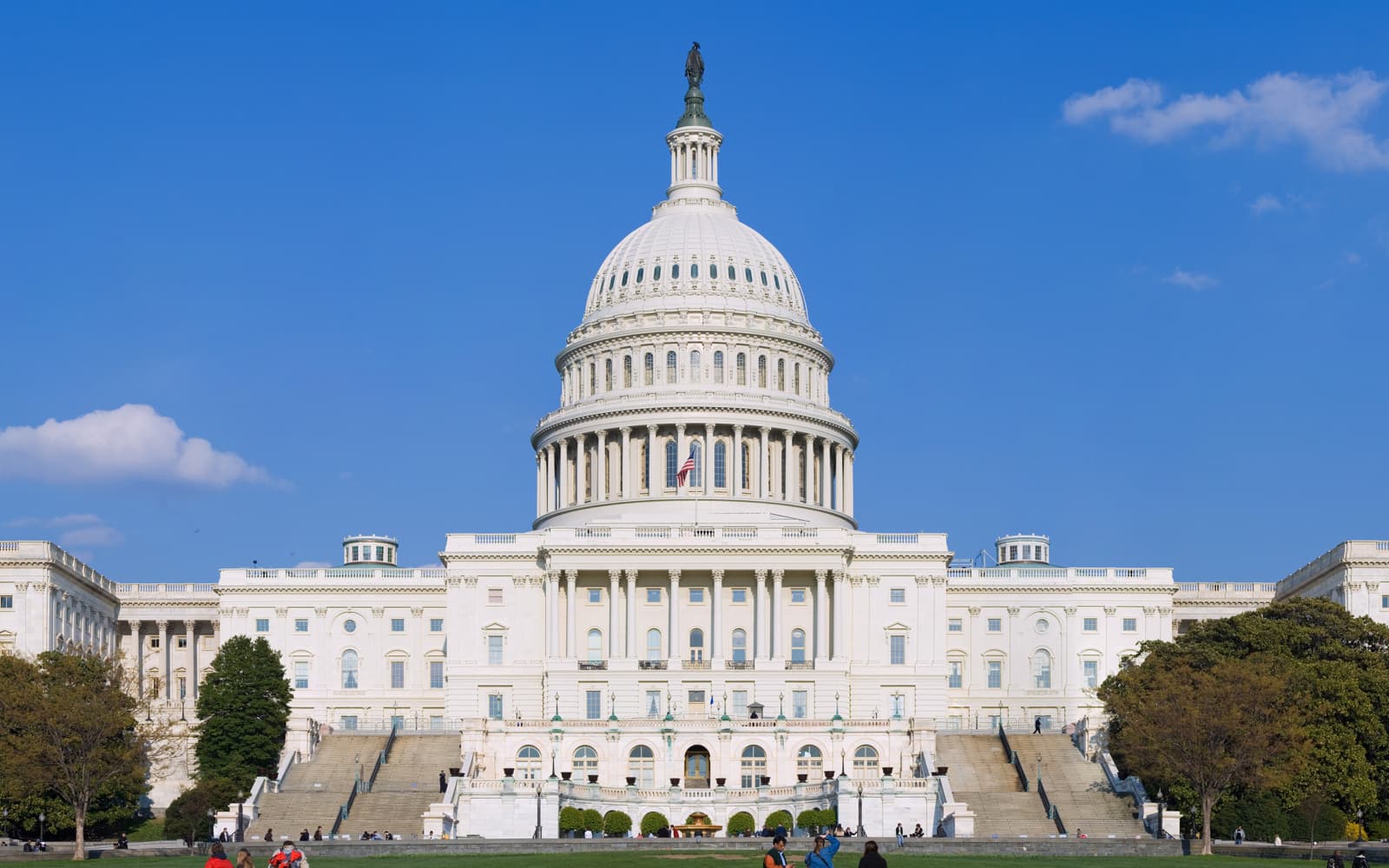
*Archive photograph; not an October 27, 2026 event. U.S. Capitol; uploaded April 2007, capture date unspecified. Noclip / Wikimedia Commons, Public domain (https://commons.wikimedia.org/wiki/File:US_Capitol_Building_Front_New.jpg); source: https://commons.wikimedia.org/wiki/File:US_Capitol_Building_Front_New.jpg. Resized for website; cards add gradient and typography. No endorsement implied.*
*NewsCubby articles are produced with AI assistance and reviewed by humans.*
Sources, credits & editorial notes
- Republican organizer, Lubbock event listing
- Alana Edgin, Lubbock Avalanche-Journal via AOL, October 26 venue change
- Marist national poll release, October 27
- The Detroit News via AOL, October 27 Michigan poll
- Marist Michigan release, October 21
- Reuters, Dan Catchpole, October 24 via Investing.com
- Associated Press, October 26 Mississippi campaign visit
- FactCheck.org tax-ad analysis, October 23
- Texas secretary of state, election dates
- The Texas Tribune, September 15 advertising report
- Talarico economic platform
- El-Sayed campaign priorities
- Rogers campaign priorities
- Photo: Noclip; Public domain