Politics
Alaska Senate race: House inquiry adds to Sullivan ballot dispute
New federal subpoena reporting and an amended DOJ complaint add to House and state inquiries. The facts, campaign responses and court timeline.
What to know
- On October 29, Comer requested voluntary transcribed interviews with former Peltola campaign manager Elisa Rios and political operative Jerid Kurtz.
- Dunleavy's separate instruction asks state investigators whether Alaska laws were violated and whether criminal charges or civil action are warranted.
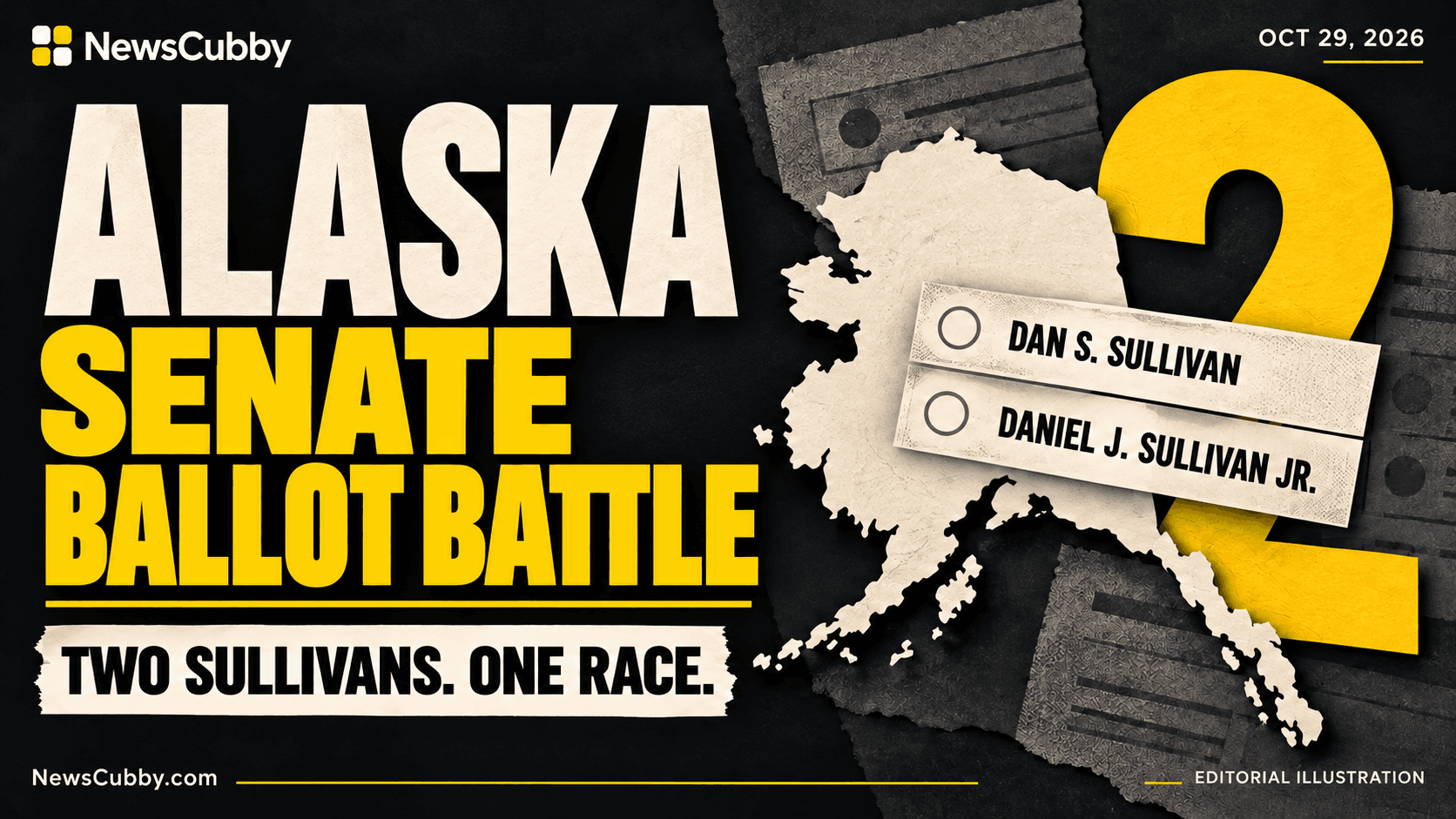
- The ballot distinguishes Republican incumbent Dan S. Sullivan from Daniel J. Sullivan Jr., a retired Petersburg teacher; Peltola's campaign denies involvement with either Sullivan campaign.
- The Justice Department's civil certification request remains contested. An October 28 order allowed additional parties into the case and scheduled further arguments, without deciding its merits.
- Election Day is Tuesday, November 3. Alaska's ranked-choice rules mean votes for the challenger cannot automatically be counted as votes taken from the senator.
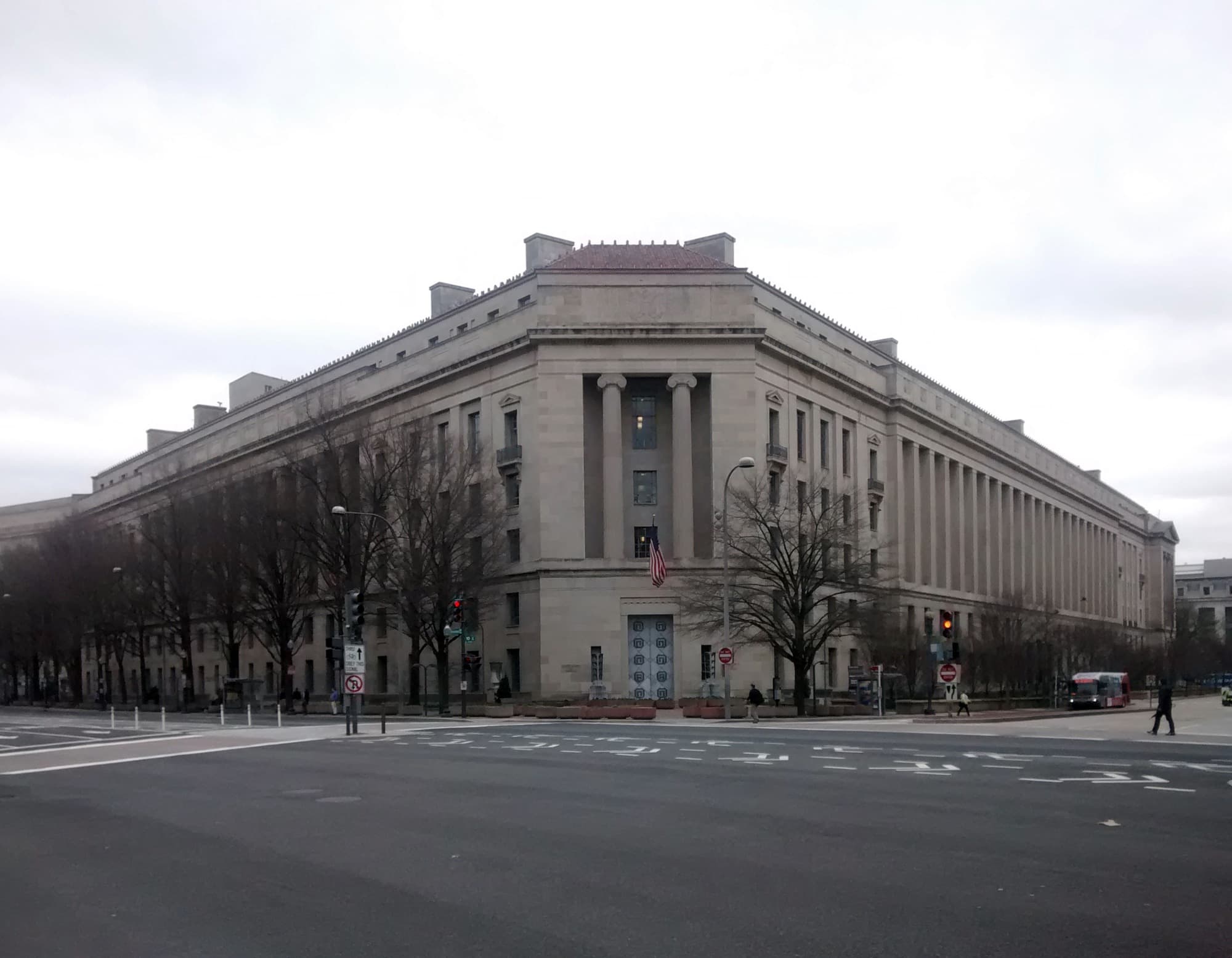
House Oversight Chairman James Comer opened a congressional investigation Thursday, October 29, into allegations that people connected to Mary Peltola's Senate campaign helped recruit a second candidate named Sullivan to Alaska's ballot. The announcement adds a congressional inquiry to a dispute already involving state investigators and a federal civil lawsuit over election certification.
By Thursday evening, the developments also included reported federal grand jury subpoenas and a newly filed amended civil complaint. Comer is requesting voluntary interviews, Governor Mike Dunleavy has directed a state investigation, and a federal judge has set briefing deadlines. None of those actions is a verdict establishing criminal wrongdoing, an order removing a candidate or a decision to change anyone's vote.
What did House Oversight announce today?
According to the committee's October 29 announcement, Comer wants to question Rios and Kurtz about allegations that candidates with similar names were recruited to confuse voters. His letter to Rios requests an interview November 5; his letter to Kurtz requests November 6.
The letters seek voluntary cooperation. The committee says it could consider compulsory process if the recipients do not appear voluntarily. That is different from announcing that subpoenas have already been issued or that either person has been charged. A congressional inquiry can seek testimony and information; it does not itself adjudicate criminal liability.
Who are the two Sullivan candidates?
Dan S. Sullivan is the Republican senator who has represented Alaska since 2015 and is seeking reelection. Daniel J. Sullivan Jr. is a different person, a retired teacher from Petersburg. Democrat Mary Peltola, a former U.S. representative, and Republican Gerald L. Heikes are the other general-election candidates.
The state's official sample ballot identifies the senator with his middle initial, Republican registration and incumbent designation. It identifies the challenger with his fuller first name, different middle initial and Jr. suffix. The challenger is now undeclared, after previously registering Republican, Alaska Public Media reported.
Those distinctions matter. The candidates have similar names, but their ballot entries are not identical. Neither the presence of two similar names nor an accusation about recruitment, by itself, establishes how an individual voter understood the ballot.
What does the recruitment reporting allege?
The New York Times investigation published October 28 reported that campaign aides began searching Alaska voter records in summer 2025 for people named Dan Sullivan who might enter the Senate race. Its account described a broader effort to influence the field of candidates and dilute the incumbent's support.
The report drew on interviews, messages and documents. It attributed activity to campaign participants and people associated with Democratic political organizations. That reporting is distinct from a court's factual findings, and involvement by one person cannot automatically be attributed to every organization or to Peltola personally.
ABC News reported that Rios told the Times Peltola was aware of the effort but not directly involved. Rios later asked to retract her remarks without providing a reason, according to that account. The requested retraction adds uncertainty to her account.
What are the campaign and challenger saying?
Peltola's campaign denied involvement with either Sullivan campaign. The Democratic Senatorial Campaign Committee also denied involvement in recruiting the challenger, according to ABC's reporting. The Petersburg candidate previously said entering the race was his own choice.
Alaska Public Media reported that the campaign responded by emphasizing living costs and its Washington reform message. Peltola characterized the controversy as a distraction from affordability and health care. Alaska Public Media explicitly said it had not independently confirmed the Times' recruitment investigation.
How did the dispute reach this point?
The dated sequence helps distinguish the original ballot fight from this week's developments:
- **Summer 2025:** Campaign aides began the namesake search, according to the Times' subsequent investigation.
- **May 29, 2026:** The challenger filed for the Senate race, according to the Justice Department's complaint.
- **June 15:** Alaska's Division of Elections disqualified him. Its determination cited concerns about misleading voters and the good faith of the candidacy.
- **June 26 and June 29:** A superior court reversed the exclusion; the Alaska Supreme Court affirmed his restoration on June 29. The courts' ballot-access decisions did not settle every later allegation about campaign conduct.
- **August 18:** Alaska held its primary. The general-election field eventually included Peltola, both Sullivans and Heikes.
- **October 22:** The Justice Department filed its civil lawsuit seeking conditional intervention in certification.
- **October 26:** Alaska filed a motion asking the federal court to dismiss the lawsuit.
- **October 28:** The Times published its investigation; Dunleavy directed a state inquiry, and the federal court issued a procedural intervention and briefing order.
- **October 29:** Comer announced the House inquiry and requested interviews for the following week.
The June 15 determination was an administrative ballot-access decision subsequently reversed in court. This week's investigations concern the alleged conduct behind the candidacy.
What is the state investigating?
Dunleavy directed the Department of Public Safety to examine possible violations of Alaska law and whether criminal charges or civil action are warranted, AP reported October 29. President Donald Trump had called for Peltola's prosecution after the Times report.
The reporting and official records reviewed for this article do not establish a conviction or a final finding that Peltola committed a crime.
What changed in the federal criminal investigation?
AP reported Thursday, citing a person familiar with the matter, that prosecutors issued new grand jury subpoenas seeking testimony or records. This is a separate criminal inquiry, not the House voluntary interviews or civil lawsuit.
Reuters reported Thursday evening, citing a source familiar with the investigation, that more than 40 subpoenas and document-preservation requests combined had been issued, with more expected. Recipients included the campaigns of Peltola and Daniel J. Sullivan. The total combines two kinds of demands, not subpoenas alone. The actual subpoenas were not independently inspected for this article. An investigative demand is not a criminal charge or proof of guilt.
What exactly does the Justice Department want?
**Thursday evening update:** The Justice Department filed its first amended complaint, Document 43, on October 29. It adds allegations drawn from the Times report and a second count under the Constitution's Supremacy Clause, arguing that certification could obstruct federal election-integrity requirements. These are government allegations and legal arguments, not judicial findings. The conditional certification request remains in paragraphs 50 and 56–57.
The October 22 federal complaint is a civil action against Alaska and state election officials. Its requested remedy is conditional: the senator loses, but would win if all votes cast for Daniel J. Sullivan were instead assigned to the senator and the ranked-choice process were rerun accordingly.
In that scenario, the department asks the court to prevent certification pending an investigation of voter intent and any further appropriate proceedings. It is requesting relief, not announcing an existing court order transferring votes. Describing the case merely as a demand to add the challenger's total to the senator's final tally also misses the complaint's express reference to rerunning ranked-choice counting.
Alaska's October 26 dismissal motion disputes the asserted federal authority. The state argues that the National Voter Registration Act does not give the government the certification power it claims. The court must resolve those legal arguments; the complaint's allegations are not a ruling accepting them.
What did the federal judge decide—and what is due next?
Judge Sharon Gleason's October 28 order allowed the Peltola campaign and the Democratic Senatorial Campaign Committee to intervene. It also permitted intervention by the League of Women Voters, Common Cause and individual voters, and accepted dismissal motions for filing.
That order did not grant the motions to dismiss or decide the merits. It set a Justice Department response deadline of **9 p.m. Eastern Thursday, October 29**, and intervenor reply deadlines of **6 p.m. Eastern Friday, October 30**. Those are filing deadlines, not promised times for a judgment.
In its October 29 opposition, Document 46, DOJ asked the judge to deny all three pending dismissal motions as moot, arguing that its amended complaint replaced the original and added a claim and allegations those motions did not address. That is the department's argument; the filing is not a court order granting its request or changing the schedule.
In a separate October 28 filing, the Justice Department withdrew its opposition to the campaign's intervention and said it intended to seek expedited discovery about the recruitment reporting and the timing of the campaign's dismissal request. An intention to seek discovery is not an order granting it.
Why does ranked-choice voting matter?
Under the Division of Elections' explanation, voters rank candidates in order of preference. First choices are counted first. When further rounds are needed, the lowest candidate is eliminated and a ballot can transfer to its next continuing preference.
A person could intentionally prefer the Petersburg candidate and rank the incumbent next. Another could rank neither Sullivan. A ballot with no remaining preference can become inactive. Consequently, the challenger's first-choice total does not measure actual confusion or automatically establish how many votes the senator lost. Those claims require evidence about voter intent and rankings.
What do the polls show—and what can they not tell us?
Progressive polling organization Data for Progress surveyed **694 Alaska likely voters October 8–16**, using SMS and web-panel respondents. Its October 20 release showed Peltola at **51%** and the senator at **49%** in a simulated final ranked-choice round. The stated sampling margin was **±4 percentage points**.
That is a close poll, not an election result or a prediction that one candidate will win. More importantly for today's controversy, its fieldwork ended before the October 28 investigation and October 29 House announcement. It cannot measure voters' reaction to those developments. Its simulated rankings also cannot substitute for actual November ballots.
What remains unresolved?
The established developments are the announced investigations, the candidates' ballot identities, the parties' stated positions and the federal case's procedural record. The unresolved questions include who authorized each recruitment step, whether any conduct violated an applicable law, whether voters were actually confused and whether a federal court can grant the requested certification remedy.
The court must still decide how to address DOJ's mootness argument and the amended complaint. The October 28 order scheduled intervenor replies for Friday; later orders or filings may affect the next procedural steps. Election Day is November 3, followed by the requested House interview dates. Findings, charges, court orders and election results should each be reported when they exist, without treating one as proof of another.
Related NewsCubby coverage: the October 28 recruitment report, the two-Sullivan ballot dispute, the earlier certification lawsuit and the early-voting tracker.
*Want more? Explore today's headlines on NewsCubby and join My Day free to make NewsCubby part of your day.*
*COVER: Original NewsCubby editorial illustration created with AI assistance. It illustrates the ballot controversy and is not a photograph of an actual event.*
*NewsCubby articles are produced with AI assistance.*
Sources, credits & editorial notes
- House Oversight: October 29 interview requests
- New York Times: October 28 recruitment investigation
- ABC News: campaign responses, Rios account and retraction request
- Alaska Public Media: recruitment report and campaign response
- AP: Justice Department issues new subpoenas over Alaska spoiler candidate controversy, AP source says
- Alaska Division of Elections: official sample ballot
- Alaska Public Media: challenger switches to undeclared
- Alaska Division of Elections: June 15 determination
- Federal court: October 22 DOJ civil complaint
- Federal court: Alaska October 26 dismissal motion
- Federal court: October 28 intervention and briefing order
- Federal court: October 28 DOJ intervention opposition withdrawal
- Alaska Division of Elections: general election and ranked-choice rules
- Data for Progress: October 8-16 survey, 694 likely voters, October 20 release
- Reuters: US Justice Dept subpoenas Alaska campaigns in probe of second Dan Sullivan, source says
- Federal court: October 29 first amended complaint, Document 43
- Alaska Public Media: state investigation, October 29
- Federal court: October 29 DOJ opposition to motions to dismiss, Document 46